
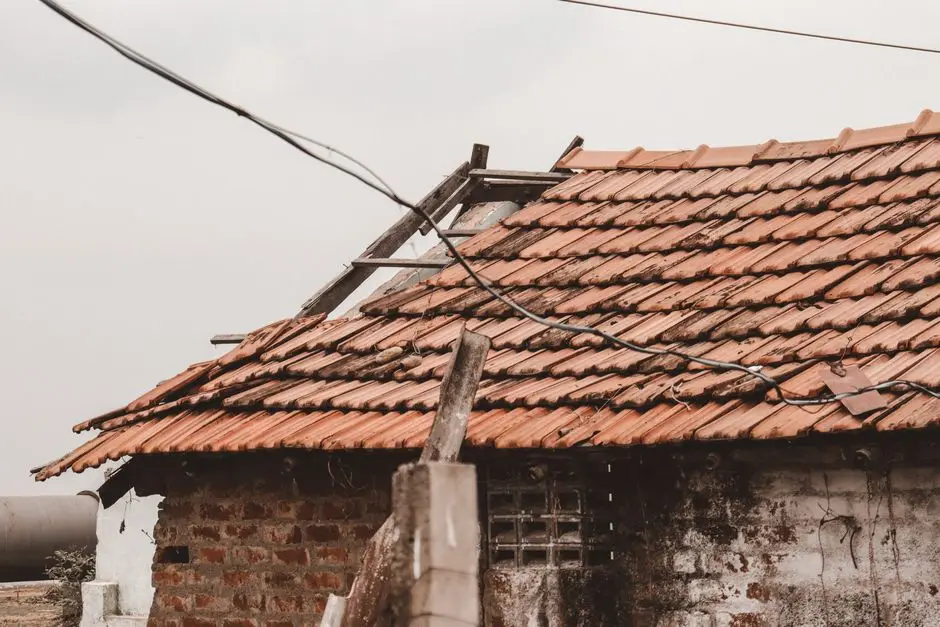
Storm damage restoration in Colorado Springs is the process of securing your home after hail, wind, or heavy rain, removing the water that got in, drying the structure, and repairing what the storm broke - usually starting within a few hours of your call and finishing in three to ten days depending on how far the water traveled. The first thing that happens is an emergency response: we tarp the roof, board broken windows, and pull standing water out of the house. Everything after that - drying, repairs, and the insurance paperwork - follows a sequence you can plan around, and this post walks you through each stage so nothing catches you off guard.
Colorado Springs sits in one of the most hail-prone corridors in the country. The Front Range gets pounded from May through September, and the storms that roll off Pikes Peak do not politely stay north of the city. If you have lived here more than two summers, you already know the sound of golf-ball hail on a roof. What most homeowners do not know is what happens in the 72 hours after.
What Storm Damage Restoration in Colorado Springs Actually Involves
Storm damage restoration in Colorado Springs is an emergency trade that combines roof and window stabilization with water damage cleanup and structural drying - it is not just a roofing job, and it is not just a drying job. A single hailstorm can punch through shingles, crack a skylight, and drive rain into the attic, the ceiling drywall, and the wall cavities below. Wind does the same thing from the side, lifting shingles and pushing water under flashing.
Most of the work we do after a Front Range storm falls into four buckets:
- Roof and envelope damage - missing shingles, cracked vent boots, punctured skylights, dented gutters, and torn siding that let water inside.
- Wind-driven water intrusion - rain pushed horizontally under flashing and around window frames, which is why a leak shows up on a wall that faces away from the storm.
- Interior water damage - soaked insulation, sagging drywall, wet hardwood, and standing water in basements and crawl spaces.
- Secondary damage - mold growth that starts in as little as 24 to 48 hours in a wet, warm Colorado Springs attic.
That is why the crew you call matters. A roofer can fix the shingles. A restoration company has to fix the shingles and dry the house underneath them. When we handle Storm Damage Restoration in Colorado, the same team that tarps your roof also sets the drying equipment inside, so nothing gets lost in the handoff between trades.
The Storm Damage Restoration Process in Colorado Springs, Step by Step
The storm damage restoration process in Colorado Springs runs in a fixed order: emergency stabilization, water removal, structural drying, repairs, and final walkthrough. Skipping or reordering any step is how a small leak turns into a mold remediation bill three weeks later.
1. Emergency call and dispatch
You call, we ask what happened, and we send a crew. If water is actively coming in, we treat it as an emergency and get a truck rolling. If the storm has passed and you are looking at damage in daylight, we still schedule the same day whenever possible. We do not ask you to wait until Monday.
2. Damage assessment and documentation
Before anything is moved, we photograph and measure. Roof damage gets documented from the ground and, when safe, from the roof itself. Interior moisture gets mapped with a meter and thermal camera so we know exactly how far the water spread. That documentation becomes the backbone of your insurance claim - adjusters work from photos and moisture readings, not from memory.
3. Emergency stabilization
We tarp the roof, board windows, and cover any opening that is letting weather in. This is not a permanent repair. It is a stop-loss. A properly tarped roof can hold for weeks if the insurance process drags, and it prevents the second storm from doing twice the damage.
4. Water extraction
Standing water comes out first. Truck-mounted extraction pulls hundreds of gallons an hour out of carpet, pad, and hard flooring. In a finished basement, this is the step that decides whether you keep the carpet or replace it. If the water came in fast - a flooded window well, a backed-up floor drain - we may bring in Emergency Water Removal in Colorado equipment on the first visit rather than scheduling it for later.
5. Structural drying
Air movers and dehumidifiers run for two to five days, sometimes longer in a crawl space or a thick plaster wall. We check moisture readings daily and adjust the equipment until the framing, drywall, and subfloor are back to dry-standard. This is the step homeowners most often want to rush, and it is the step that prevents mold. Our Structural Drying in Colorado crews log every reading so you have a paper trail for the adjuster.
6. Repairs and rebuild
Once the structure is dry, we replace what the storm destroyed: shingles, flashing, drywall, insulation, paint, trim. If the damage is limited to the roof and attic, this stage is fast. If water reached the ceiling of a finished room, expect drywall work and paint.
7. Final walkthrough
We walk the house with you, meter in hand, and confirm the moisture readings are back to normal. You get the documentation package for your insurer, and you get the house back.
How Long Does Storm Damage Restoration Take in Colorado Springs?
How long storm damage restoration takes in Colorado Springs depends almost entirely on how much water got inside. A roof-only repair with no interior water typically takes one to three days. A storm that pushed water into ceilings, walls, or a basement usually runs seven to fourteen days from emergency response to final walkthrough.
Here is the breakdown we give homeowners on the first visit:
- Emergency response and stabilization: same day, usually within a few hours of your call.
- Water extraction: one to two days for most residential jobs.
- Structural drying: three to five days is typical; crawl spaces and plaster walls can take seven.
- Repairs and rebuild: three days for minor roof and drywall work, up to two weeks if a room has to be gutted and rebuilt.
The wild card is always the insurance adjuster's schedule. If the claim is straightforward, repairs start as soon as the structure is dry. If the adjuster needs a second look or a scope revision, the repair phase can sit idle for a week. We keep the drying equipment running and the house stabilized while that plays out.
How Much Does Storm Damage Restoration Cost in Colorado Springs?
Typical 2026 pricing for storm damage restoration in Colorado Springs runs from about $1,800 for a minor roof leak with limited interior drying up to $18,000 or more for a storm that flooded a finished basement and tore off part of a roof. Most single-family claims we see land between $4,000 and $9,000.
The line items that drive the number:
- Emergency tarping and board-up: $350 to $900, depending on roof pitch and square footage.
- Water extraction: $500 to $2,500 for a typical residential job.
- Structural drying: $1,200 to $4,000 for three to five days of equipment, monitoring, and labor.
- Roof repair: $600 to $3,500 for shingle and flashing work on a standard Colorado Springs roof.
- Interior repairs: $1,500 to $8,000 for drywall, insulation, paint, and flooring.
If the water reached a crawl space, add $800 to $2,500 for crawl space drying and any vapor barrier replacement. If mold has already started, remediation adds another $1,500 to $6,000 depending on square footage. We give you a written scope and price before work begins, and we bill the insurance carrier directly whenever the claim is covered.
Does Insurance Cover Storm Damage in Colorado Springs?
Yes - most Colorado Springs homeowners policies cover storm damage, including hail, wind, and the water that comes in as a direct result. The key word is direct. Water that enters through a storm-created opening is covered. Water that enters because of deferred maintenance - a rotted flashing, a 20-year-old roof already past its life - is where claims get denied.
What you should expect from the claims side:
- File the claim quickly. Most carriers want notice within a reasonable window, and the sooner the adjuster sees the damage, the less room there is for dispute.
- Do not throw anything away. Wet carpet, damaged shingles, and ruined drywall are evidence. We photograph everything before removal.
- Get the documentation right the first time. Moisture maps, thermal images, and dated photos are what move a claim from "pending" to "approved."
- Expect a deductible. In Colorado, hail deductibles are often a separate percentage of your dwelling coverage - commonly 1% to 2%, which on a $500,000 home is $5,000 to $10,000 out of pocket before the carrier pays.
If your claim gets denied or underpaid, you can request a re-inspection with new documentation. We have walked homeowners through that process more times than we can count, and it works when the paperwork is solid.
What to Watch Out For After a Colorado Springs Storm
The most expensive storm damage is the damage you do not see for two weeks. Here is what to watch for in the days after a Front Range storm, and the mistakes that turn a $3,000 repair into a $15,000 one.
- Water stains on ceilings and walls. A brown ring means water is already through the drywall. The leak started days ago.
- Soft or sagging drywall. If the ceiling feels spongy, do not walk on the floor above it.
- Musty smell in the attic or basement. That is mold, and it starts within 24 to 48 hours of a wet event.
- Dented gutters and downspouts. Hail that dents aluminum gutters almost always damaged the shingles above them.
- Granules in the gutter or at the bottom of downspouts. That is your shingle surface washing away.
The mistakes we see most often:
- Climbing on the roof to inspect it yourself. Hail-damaged shingles are brittle, and a wet roof after a storm is a fall waiting to happen.
- Waiting for the insurance adjuster before tarping. Every hour the roof is open, more water gets in. Tarp first, document second, argue with the carrier third.
- Hiring a storm chaser with an out-of-state plate. They knock, they take the deposit, they leave. Ask for a local address and a Colorado license.
- Turning off the drying equipment early because the room "feels dry." Drywall and framing hold moisture long after the surface feels dry to your hand.
- Paying the full repair bill upfront. A deposit is normal. Full payment before the work is done is not.
If you are in a neighborhood that got hit hard - Briargate, Powers, Rockrimmon, the Broadmoor area - it is worth having a professional look even if you do not see obvious damage. Hail damage is often invisible from the ground and shows up as a leak the next time it rains. We serve homeowners across the city, and if you are also dealing with water that came in through a foundation or window well, our Water Damage in Colorado Springs team handles that side of the job too.
When to Call a Professional
Call a professional the moment water is inside the house, the roof is open, or you can smell something musty that was not there before the storm. Those three signals mean the clock is already running on secondary damage.
You do not need to call for a few missing shingles on a shed or a downspout that popped loose. You do need to call if any of these are true:
- Water is dripping, pooling, or staining inside the house.
- The roof is missing shingles, flashing, or a vent boot.
- A window, skylight, or door was broken by hail or wind.
- The basement, crawl space, or garage took on water.
- You can smell mold, or you see dark spots on drywall or framing.
At Water Damage Pros Colorado, we handle the whole sequence - emergency tarping, extraction, drying, repairs, and the insurance documentation that ties it together. One call, one crew, one point of contact from the first hour to the final walkthrough.
Frequently Asked Questions
What should I expect from storm damage restoration in Colorado Springs?
Expect emergency stabilization within hours, water extraction the same day, and structural drying over three to five days. Repairs follow once the structure is dry. Most jobs finish in seven to fourteen days, and you receive photo and moisture documentation for your insurance claim.
How much does storm damage restoration cost in Colorado Springs?
In 2026, most Colorado Springs storm restoration jobs run $4,000 to $9,000. Minor roof leaks with limited drying start around $1,800. A storm that floods a finished basement and damages the roof can exceed $18,000. Your insurance deductible is separate.
Does insurance cover storm damage in Colorado Springs?
Yes, hail, wind, and storm-driven water intrusion are covered under most Colorado homeowners policies. Damage from deferred maintenance is usually excluded. Colorado hail deductibles are often 1% to 2% of dwelling coverage, so expect $5,000 to $10,000 out of pocket on a $500,000 home before the carrier pays.
How long does storm damage restoration take in Colorado Springs?
Roof-only repairs take one to three days. Jobs with interior water damage typically run seven to fourteen days from emergency response to final walkthrough. Structural drying alone takes three to five days, and crawl spaces can take seven. Insurance adjuster scheduling is the most common cause of delay.
How do I choose a storm damage restoration company in Colorado Springs?
Ask for a local Colorado address, a state license, and proof of insurance. Get a written scope and price before work starts. Avoid out-of-state storm chasers who want a large deposit upfront. A legitimate local company will document the damage, work with your adjuster, and stand behind the repair.
Get Help With Water Damage in Colorado Springs
If a storm just opened your roof or pushed water into your home, the next few hours matter more than the next few days. We handle storm damage restoration across Colorado Springs - tarping, extraction, drying, repairs, and the insurance paperwork - with one crew from start to finish.
Call Water Damage Pros Colorado at (855) 343-0501 and we will get a crew headed your way.