
Water Damage Pros Colorado logo Water Damage Pros Colorado
Get Estimate

Crawl Space Water Damage Restoration in Colorado

Statewide emergency response, extraction, and structural drying


Crawl Space Water Damage Restoration in Colorado means getting standing water out of the dirt, gravel, or concrete under your house before it rots the subflooring and feeds mold. We run crawl space water removal in Colorado from Denver to Grand Junction, day or night. If your vapor barrier is floating or your floors feel spongy, call (855) 343-0501.

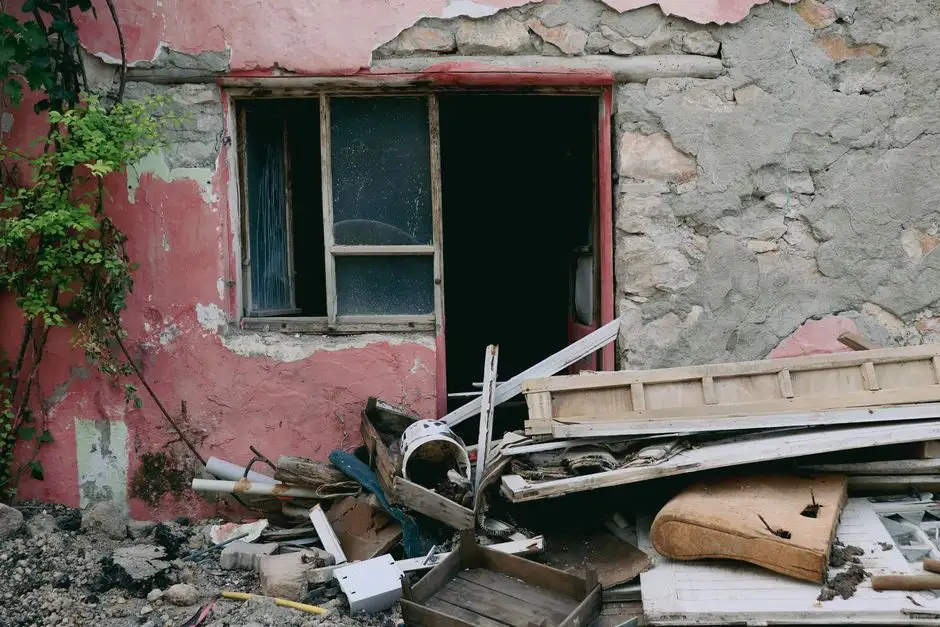
A damaged building facade showing broken windows and scattered rubble, illustrating urban decay.
Licensed Licensed & Bonded
Fully Insured Insured & Bonded
24/7 Emergency Same-Day Response
Warranty Backed Workmanship Guaranteed

What Crawl Space Water Damage Restoration Includes

Every crawl space job starts with a full inspection and a written scope. From there, the work depends on what we find: how much water, what source, and how far the moisture has spread. Here is what is covered in a standard crawl space water damage restoration in Colorado, and what gets added only if the damage calls for it.

Full Moisture Inspection

We crawl the entire space with moisture meters, hygrometers, and a borescope. Infrared cameras map the wet zones behind insulation and under subflooring. You get a written report with photos showing exactly where the water is and how wet the materials are.
Standing Water Extraction

Water extraction units and wet vacuums pull standing water out of the crawl space. We work around ductwork, plumbing, and piers without disturbing them. Extraction usually takes two to four hours depending on volume and access.

Antimicrobial Treatment

Every wet surface gets treated with antimicrobial solutions after extraction. This stops mold and bacteria from colonizing the joists, subflooring, and insulation while the space dries. Sewage-contaminated water gets a stronger treatment protocol.

Structural Drying Setup

Air movers and dehumidifiers get placed to dry the joists, subflooring, and framing. Desiccants go in for tight or cold crawl spaces. We monitor moisture readings every 24 hours and adjust equipment until the wood hits dry standard.

Vapor Barrier Replacement

Torn or floating vapor barriers get removed and replaced with new 6-mil or 10-mil poly. A proper barrier keeps ground moisture from re-wetting the space. This is often the difference between a one-time fix and a repeat problem.

Final Documentation

You get a complete moisture log, photo set, and written clearance at the end of the job. This package goes to your insurance adjuster and serves as proof the space is dry. It also gives you a baseline if you ever need to file another claim.

Crawl Space Water Damage Restoration in Colorado


Crawl Space Water Damage Restoration in Colorado is the process of removing standing water, drying the structure, and treating the space so the floor above stays solid. We pull water with wet vacuums and water extraction units, then set air movers and dehumidifiers to dry the joists, subflooring, and insulation. Moisture meters and thermal imaging cameras tell us exactly where the wet pockets hide. Most Colorado crawl spaces are vented and unheated, so water sits longer and damage runs deeper than homeowners expect.

Colorado crawl space water damage restoration is needed most after frozen pipes thaw, after spring snowmelt, and after summer hail storms push water through foundation seepage. Along the Front Range and in mountain towns, we see pipe bursts in January, roof leaks in May, and basement flooding in July. If you search crawl space water extraction near me in Colorado at 2 a.m., you want a crew that shows up with a truck full of Dri-Eaz and Phoenix Restoration Equipment, not a promise for next week.

How Our Crawl Space Water Damage Process Works

Every job follows the same five steps, whether it is a 900-square-foot ranch in Lakewood or a 4,000-square-foot mountain home in Evergreen. Here is exactly what happens from the first phone call to the final moisture reading.

01

Schedule

Call or book online — a real human picks up and confirms a 2-hour arrival window.

02

Diagnose

Licensed tech inspects on-site, then walks you through the cause and your options.

03

Fix

The job is completed to code and done right the first time — no shortcuts, no surprises.

04

Guarantee

Every job backed by a written workmanship warranty — and we stand behind it.

Tools and Methods We Use

Tools & Equipment

Moisture Meters and Hygrometers

Pin and pinless meters read moisture content in wood and drywall. Hygrometers measure relative humidity in the air. Together they tell us exactly how wet the space is and when it is dry.

Thermal Imaging Cameras

Infrared cameras show temperature differences that reveal hidden water behind insulation, under subflooring, and inside wall cavities. We use them to map the full extent of the damage before we start.

Dri-Eaz and Phoenix Restoration Equipment

Our air movers and dehumidifiers come from Dri-Eaz and Phoenix Restoration Equipment. These are the workhorses of the industry, built for continuous duty in tight, dirty crawl spaces.

Santa Fe Dehumidifiers and Desiccants

Santa Fe Dehumidifiers handle standard crawl space drying. For cold or tightly sealed spaces where refrigerant units stall, we bring in desiccant dehumidifiers that work at lower temperatures.

Water Extraction Units and Wet Vacuums

Truck-mounted and portable extraction units pull standing water fast. Wet vacuums handle the last inch and get into corners the bigger units cannot reach. We run both on most jobs.

Borescopes and Infrared Cameras

Borescopes let us see inside wall cavities and under subflooring without cutting. Infrared cameras show us the wet zones from a distance. Both tools cut inspection time and reduce unnecessary demolition.

Sump Pumps and Vapor Barriers

Sump pumps move groundwater away from the foundation on chronic seepage jobs. New 6-mil or 10-mil vapor barriers replace damaged ones and keep ground moisture from re-wetting the space.

Methods & Standards

IICRC S500 Standard

We follow the IICRC S500 standard for water damage restoration on every job. That means category-based water classification, proper PPE, and documented drying goals. It is the industry standard that insurance adjusters expect to see.

Psychrometric Drying

We calculate the drying goal using psychrometric charts and adjust equipment based on temperature, humidity, and material moisture content. This is how we know when the space is actually dry, not just dry to the touch.

Containment and Negative Air

On mold or sewage jobs, we set up containment barriers and negative air machines to keep spores and contaminants from spreading into the living space. Abatement Technologies HEPA filtration runs continuously during the job.

Xactimate Estimating

Every estimate is built in Xactimate, the same software most insurance carriers use. That means our line items match what your adjuster expects, which speeds up approval and reduces back-and-forth on the claim.

When to Call for Crawl Space Water Damage Restoration

01

You hear water running under the floor at 2 a.m. and cannot find the source inside the house.

What we do: We dispatch a crew with thermal imaging cameras and moisture meters to trace the source. If it is a burst pipe, we shut it off, extract the water, and start drying. If it is a slab leak or foundation seepage, we isolate it and document it for your plumber or insurance.

→ The water stops, the crawl space gets dried, and you have a written report showing what caused it and what was done.

02

Your floors feel spongy near the bathroom and there is a musty smell you cannot place.

What we do: We crawl the space with a borescope and moisture meters to find the wet zone. Spongy floors usually mean the subflooring has been wet for a while. We extract any standing water, dry the wood, and treat for mold if growth is present.

→ The subfloor dries in place if it is still salvageable, or gets replaced if it is not. The musty smell goes away once the moisture source is fixed.

03

Spring snowmelt has left standing water in the crawl space and the vapor barrier is floating.

What we do: We pump and extract the standing water, remove the damaged vapor barrier, and dry the soil and framing. A new 10-mil barrier goes down after the space is dry. If the seepage is chronic, we recommend a sump pump.

→ The crawl space is dry, the new barrier is sealed, and the space stays dry through the next melt season.

04

A sewage line backed up into the crawl space and the smell is coming through the floor vents.

What we do: We treat it as a contaminated-water job from the start. Full PPE, removal of affected insulation and debris, antimicrobial treatment, and a longer drying cycle. We document everything for insurance.

→ The contamination is removed, the space is treated and dried, and you get a written clearance showing it is safe to use the living space above.

How Crawl Space Water Damage Restoration Runs in Colorado

Colorado crawl spaces deal with a specific set of problems. The frost line sits 30 to 36 inches deep along the Front Range, which means supply lines in vented crawl spaces freeze hard in January and February. When they thaw, they flood. Mountain towns like Avon, Minturn, and Breckenridge see deeper frost and longer freeze cycles, so pipe bursts are more common there. Along the Front Range, expansive clay soils shift with moisture changes, which opens foundation seepage points every spring. Summer hail storms tear shingles and push water down inside the walls into the crawl space. Older homes in Idaho Springs, Silver Plume, and Kittredge often have dirt floors and no vapor barrier, so ground moisture keeps the space humid year-round. We adjust our drying strategy based on all of these factors. If you search for crawl space water damage repair near me in Colorado, you want a crew that knows the local soil, the frost depth, and the building codes. We do.

Neighborhoods We Serve

  • Belmar, Lakewood

    Mid-century ranches with vented crawl spaces and original plumbing. Frozen pipe bursts are common here in January and February.

  • Downtown Evergreen

    Hillside homes with crawl spaces cut into sloped ground. Snowmelt seepage is a recurring problem every spring.

  • Old Town Longmont

    Historic homes with dirt-floor crawl spaces and no vapor barrier. Ground moisture keeps these spaces humid year-round.

  • Cimarron Hills, Colorado Springs

    Expansive clay soils that shift with moisture. Foundation seepage points open up after wet springs and summer storms.

  • Morrison

    Foothills homes with crawl spaces that sit close to bedrock. Drainage is tricky and water pools against the foundation after heavy rain.

Local Conditions We Plan For

  • Frost depth of 30 to 36 inches along the Front Range

    Supply lines in vented crawl spaces freeze solid in winter. When they thaw, they burst and flood the space. We see the most pipe burst calls in January and February.

  • Expansive clay soils along the Front Range

    Clay swells when wet and shrinks when dry, which opens cracks in foundations. Those cracks become seepage points every spring. We see foundation seepage calls spike in March and April.

  • Summer hail storms and heavy rain events

    Hail damages shingles and lets water into wall cavities. Heavy rain overwhelms grading and pushes water against foundations. Crawl space calls jump after every major storm.

  • Older mountain homes with dirt-floor crawl spaces

    Dirt floors with no vapor barrier keep the space humid year-round. Any water that gets in stays longer and causes more damage. These jobs need heavier drying equipment and a new barrier.

Frozen Pipe Burst in Lakewood Ranch Home

Before

A supply line froze and burst in a 1,100-square-foot ranch home in Lakewood. Water ran into the crawl space for about six hours before the homeowner noticed. The vapor barrier was floating and the joists were reading 28% moisture content.

After

We extracted 42 gallons of standing water, set six air movers and two dehumidifiers, and dried the joists down to 11% moisture content in four days. The vapor barrier was replaced and the subflooring was saved.

Maintenance: Insulate the supply lines in the crawl space and keep the access hatch sealed in winter. A $40 pipe wrap prevents a $4,000 dry-out.

Before

Spring snowmelt seeped through the foundation of a hillside home in Evergreen for three weeks. The crawl space had two inches of standing water and the insulation was saturated. Mold was starting on the joists near the north wall.

After

We pumped and extracted the water, removed the damaged insulation, treated the joists with antimicrobial solutions, and dried the space in five days. A new 10-mil vapor barrier went down and a sump pump was installed to move groundwater away.

Maintenance: Check the sump pump monthly and clear the discharge line before winter. Keep gutters clean so roof water discharges away from the foundation.

Before

A sewer line backed up into the crawl space of a rental property in Cimarron Hills. The tenant reported a strong smell coming through the floor vents. The space had category 3 contaminated water covering about 300 square feet.

After

We treated the job as contaminated from the start. Full PPE, removal of affected insulation and debris, antimicrobial treatment, and a six-day drying cycle. The space passed clearance and the tenant stayed in the home.

Maintenance: Have the sewer line scoped every two years to catch root intrusion early. A $200 scope prevents a $6,000 contaminated-water cleanup.

Crawl Space Water Problems We Solve in Colorado

Most crawl space water damage in Colorado traces back to one of a handful of causes. Here are the ones we see most often, what happens if you ignore them, and how we fix each one.

Problem

Frozen pipe bursts flooding the crawl space

Water pours into the crawl space for hours before anyone notices. Subflooring soaks, insulation collapses, and mold starts within 48 hours. By the time you smell it, the damage is already deep.

Our Fix

We shut off the water, repair the burst line, extract the standing water, and dry the structure. Antimicrobial treatment goes on every wet surface. Most jobs are dry in three to five days with no mold growth.

Problem

Snowmelt seeping through foundation seepage points

Spring meltwater finds every crack in the foundation and pools in the crawl space. The vapor barrier floats, the soil stays saturated, and the wood above stays wet for weeks. Long-term seepage is usually excluded from insurance.

Our Fix

We extract the water, dry the space, and replace the vapor barrier with a heavier 10-mil poly. If the seepage is chronic, we recommend a sump pump and drainage correction to move water away from the foundation.

Problem

Sewage backup contaminating the crawl space

Sewage is category 3 contaminated water. It carries bacteria and pathogens that spread through the air into your living space. Anything it touches has to be treated or removed, not just dried.

Our Fix

We treat the job as contaminated from the start. Full PPE, removal of affected material, antimicrobial treatment, and a longer drying cycle. We document everything for your insurance claim and provide a written clearance when the space is safe.

Problem

Roof leak running down into the crawl space

A hail-damaged shingle lets water into the wall cavity, where it runs down to the crawl space. The leak is often invisible from inside the house until the subfloor starts to cup or the baseboards warp.

Our Fix

We trace the leak with infrared cameras, dry the wall cavity and crawl space together, and document the entry point for your roofer or insurance adjuster. The crawl space gets the same extraction and drying protocol as any other job.

Why Colorado Homeowners Call Us First

Why Colorado Homeowners Call Us First

Water under your house does not fix itself. These four outcomes are what crawl space water damage restoration in Colorado delivers when it is done right the first time.

  • Stop Mold Before It Spreads

    Mold can colonize wet plywood and insulation in 24 to 48 hours. We apply antimicrobial solutions to every affected joist and subflooring panel, then dry the space below 16% moisture content. That stops the growth cycle and keeps the air in your living room clean.

  • Protect Your Subfloor

    Soggy subflooring and baseboards warp, cup, and delaminate. Once that happens, you are looking at a full floor replacement instead of a dry-out. We catch the damage early, dry the wood in place, and save the structure whenever the material is still salvageable.

  • Same-Day Water Extraction

    Standing water gets pulled the same day you call. Our crews run water extraction units and wet vacuums through the access hatch, then set drying equipment on a monitored schedule. You get a written moisture log at every visit so you can see the numbers dropping.

  • Insurance-Ready Documentation

    We document every affected area with photos, moisture readings, and Xactimate line items. That package goes straight to your adjuster, which speeds up the claim and cuts the back-and-forth. Most crawl space water damage claims get approved faster when the paperwork is done right.

Crawl Space Water Damage Restoration Pricing

Typical 2026 pricing for crawl space water damage restoration in Colorado runs $1,800 to $6,500 depending on square footage, water category, and how long the water sat. Small extraction and dry-outs start around $1,200. Jobs with sewage contamination, mold growth, or vapor barrier replacement push toward the higher end. We give you a written scope and price before work begins, and we bill insurance directly when the claim is covered.

Typical Investment Range

$1,200 - $6,500 depending on scope

The cost of a crawl space dry-out is almost always less than the cost of replacing a subfloor, joists, and insulation after mold takes hold. Fast response protects the structure and keeps the repair bill down.

What changes the price

01

Square Footage Affected

A 300-square-foot crawl space dries faster and uses less equipment than a 1,500-square-foot space. Equipment count drives the price. Most residential crawl spaces fall between 400 and 1,200 square feet.

02

Water Category

Category 1 water from a clean supply line is the simplest job. Category 2 gray water from a washing machine or dishwasher needs antimicrobial treatment. Category 3 sewage water needs full containment and material removal, which adds cost.

03

How Long Water Sat

Water that sat for 24 hours causes less damage than water that sat for two weeks. Longer saturation means deeper moisture, more mold risk, and more material that cannot be saved. Fast response always costs less.

04

Vapor Barrier Condition

If the existing vapor barrier is intact, we dry and leave it. If it is torn or floating, it has to be removed and replaced. A new 10-mil barrier adds $400 to $1,200 depending on square footage.

05

Mold Growth Present

If mold has already started, we add containment, HEPA filtration, and antimicrobial treatment. Mold remediation adds $800 to $2,500 depending on how far it has spread. Catching it early saves money.

06

Access and Equipment Setup

A wide access hatch makes setup fast. A narrow hatch or a crawl space with low clearance takes longer and may need smaller equipment. Difficult access adds labor time to the job.

Licensed, Certified, and Insured

Licensed & Certified

  • IICRC WRT (Water Restoration Technician) — issued by Institute of Inspection, Cleaning and Restoration Certification
  • IICRC ASD (Applied Structural Drying) — issued by Institute of Inspection, Cleaning and Restoration Certification
  • IICRC AMRT (Applied Microbial Remediation Technician) — issued by Institute of Inspection, Cleaning and Restoration Certification
  • EPA Lead-Safe Certified Firm — issued by U.S. Environmental Protection Agency
  • OSHA 10 Construction Safety — issued by Occupational Safety and Health Administration

Verified Reviews

Google ★★★★★4.9

Called at 11 p.m. after a pipe burst flooded our crawl space. Crew arrived in about 75 minutes, pulled the water, and had equipment running by 1 a.m. Four days later everything was dry. They handled the insurance claim directly and we barely had to do anything.

Yelp ★★★★★4.8

We had snowmelt seeping into the crawl space for weeks. These guys found the entry point, dried the space, replaced the vapor barrier, and treated for mold. Fair price, clear communication, and they showed us the moisture readings before and after.

BBB ★★★★★4.9

I manage several rental properties and have used this company three times. Every job they show up on time, document everything with photos, and bill the insurance directly. The last one was a sewage backup and they handled it clean and fast. Highly recommend.

Crawl Space Expertise Built on Colorado Jobs

Our technicians hold IICRC WRT, IICRC ASD, and IICRC AMRT certifications, plus EPA Lead-Safe and OSHA 10 credentials. We work with Xactimate daily, so our estimates match what adjusters expect to see. Every crew carries moisture meters, thermal imaging cameras, and borescopes on the truck, not in a warehouse. We have dried crawl spaces under 1890s Victorians in Idaho Springs, new builds in Windsor, and ski-town rentals in Avon. That range means we have seen every water source Colorado can throw at a foundation, and we know which drying strategy works for each one.

  • IICRC WRT, ASD, and AMRT certified technicians on every crawl space crew
  • EPA Lead-Safe and OSHA 10 trained for older Colorado homes with lead paint
  • Xactimate certified estimating that matches adjuster line items
  • Direct insurance billing and photo documentation on every job
  • 24/7 emergency dispatch across the entire state of Colorado
Get Started Today
Crawl Space Expertise Built on Colorado Jobs

Cities We Serve for Crawl Space Water Damage Restoration

We deliver crawl space water removal in Colorado across the entire state, from the Front Range metro to the mountain corridors and the Western Slope. Our crews run out of Denver, Colorado Springs, Fort Collins, and Grand Junction, so response times stay tight whether you are in a foothills town or a mountain community. Here are some of the cities we serve most often.

Lakewood

Mid-century ranches with vented crawl spaces and original plumbing. Frozen pipe bursts are our most common call here in January and February.

Longmont

Historic homes near Old Town often have dirt-floor crawl spaces with no vapor barrier. Ground moisture keeps these spaces humid year-round and needs heavier drying equipment.

Windsor

Newer builds with tight crawl spaces and vapor barriers already in place. When water gets in, it stays trapped and needs desiccant drying to pull it out.

Cimarron Hills

Expansive clay soils shift with moisture and open foundation seepage points every spring. We see crawl space water intrusion calls spike after wet springs and summer storms.

Berthoud

Mix of older farmhouses and new construction. Older homes have dirt floors and no barrier; newer homes have tight spaces. Both need the same fast extraction and drying.

Evergreen

Hillside homes with crawl spaces cut into sloped ground. Snowmelt seepage is a recurring problem every spring and needs drainage correction after the dry-out.

Avon

Mountain homes with deeper frost and longer freeze cycles. Pipe bursts are more common here and water sits longer because the space stays cold. We use desiccants on these jobs.

Penrose

High-desert climate with dramatic temperature swings. Supply lines in vented crawl spaces freeze at night and thaw fast during the day, which causes bursts.

Palmer Lake

Foothills homes at elevation with cold crawl spaces. Standard dehumidifiers stall in the cold, so we bring desiccant units that work at lower temperatures.

Idaho Springs

1890s Victorians with dirt-floor crawl spaces and no vapor barrier. Ground moisture keeps these spaces humid year-round and any water that gets in stays longer.

Cascade-Chipita Park

Mountain homes with crawl spaces that sit close to bedrock. Drainage is tricky and water pools against the foundation after heavy rain or snowmelt.

Minturn

Ski-town rentals with deep frost and long freeze cycles. Pipe bursts are common in winter and the crawl spaces stay cold, which slows standard drying equipment.

Kittredge

Canyon homes with crawl spaces cut into sloped ground. Snowmelt and heavy rain push water against foundations. We see seepage calls here every spring.

Pine Brook Hill

Foothills properties with larger crawl spaces and longer access runs. Equipment setup takes longer but the drying protocol is the same as any other job.

Morrison

Foothills homes with crawl spaces close to bedrock. Drainage is tricky and water pools against the foundation after heavy rain. We correct grading after the dry-out.

Frequently Asked Questions

Real answers to the questions we hear most often from local homeowners and property managers.

How much does crawl space water damage restoration cost in Colorado?
Most crawl space water damage restoration jobs in Colorado run $1,800 to $6,500 in 2026, depending on square footage and how long the water sat. Small extraction and dry-outs start around $1,200. Jobs with sewage contamination, mold growth, or vapor barrier replacement push toward the higher end. Insurance often covers the bulk of it when the source is a burst pipe or storm.
How do I remove water from my crawl space in Colorado?
You remove water from a crawl space in Colorado with a wet vacuum or sump pump for small pools, but standing water over an inch deep needs a truck-mounted water extraction unit. Do not run a shop vac in standing water unless it is rated for wet pickup. If the water came from a sewage backup or has a smell, call a pro before you enter.
What causes crawl space water damage in Colorado?
The most common causes in Colorado are frozen pipe bursts in winter, spring snowmelt seeping through foundation seepage points, roof leaks running down inside the walls, and sump pump failures during summer storms. Slab leaks and sewage backups also send water into crawl spaces. Grading that slopes toward the house makes all of these worse.
Does insurance cover crawl space water damage in Colorado?
Yes, most Colorado policies cover crawl space water damage when it comes from a sudden event like a pipe burst, appliance failure, or storm-driven roof leak. Long-term seepage and neglect are usually excluded. We document everything with photos and moisture readings and bill your carrier directly, which helps get the claim approved faster.

Related Services

Water Damage Restoration

Full-property water damage restoration for Colorado homes, from the crawl space to the attic. When water spreads beyond the crawl space into living areas, we handle the whole scope under one crew and one estimate.

View Water Damage Restoration

Emergency Water Removal

Emergency water removal in Colorado runs 24/7. When a pipe bursts at 2 a.m. and water is pooling under your floor, we extract it before it reaches the crawl space and turns a small repair into a full dry-out.

View Emergency Water Removal

Flood Cleanup

Flood cleanup in Colorado covers storm surge, snowmelt flooding, and creek overflow. Floodwater is contaminated, so we treat every crawl space and basement it touches with antimicrobial solutions and full PPE protocols.

View Flood Cleanup

Basement Water Damage Restoration

Basement water damage restoration in Colorado often pairs with crawl space work. Water that floods a basement usually seeps into the crawl space next. We dry both spaces at the same time so moisture does not migrate.

View Basement Water Damage Restoration

Roof Leak Water Damage Repair

Roof leak water damage repair in Colorado stops the water at the top. Hail and wind tear shingles loose, and the leak runs down inside the walls into the crawl space. We fix the entry point and dry everything below it.

View Roof Leak Water Damage Repair

Pipe Burst Water Damage Repair

Pipe burst water damage repair in Colorado is our most common winter call. Frozen pipes split, then flood the crawl space when they thaw. We repair the line, extract the water, and dry the structure in one visit.

View Pipe Burst Water Damage Repair

Get Crawl Space Water Damage Restoration in Colorado Today

Standing water under your house gets worse every hour. Call (855) 343-0501 and we will dispatch the closest crew for same-day crawl space water removal in Colorado. Licensed, insured, and available 24/7 statewide.

Call (855) 343-0501 Call Now

Get Water Damage Help Now

Call (855) 343-0501 any time, day or night. We answer live, ask the right questions, and dispatch a crew. Most Front Range calls get a truck rolling within the hour, and we cover the entire state of Colorado.

Water Damage Pros Colorado


  • Address

    Colorado

  • Hours

    Mon–Fri: 7AM – 7PM
    Sat: 8AM – 4PM
    Sun: Emergency Only
    24/7 Emergency Available

Call (855) 343-0501 Get Quote
Call Quote