
Emergency water extraction
Truck-mounted extraction units and wet vacuums remove standing water from carpet, hardwood, tile, and concrete. We pull the bulk of the water the same visit, which stops it from wicking further into walls and subflooring.
Every job is scoped to the specific loss, but here is what a standard Water Damage Restoration in Colorado project covers. If your situation needs something outside this list, we will tell you upfront and price it separately before any work starts.
Truck-mounted extraction units and wet vacuums remove standing water from carpet, hardwood, tile, and concrete. We pull the bulk of the water the same visit, which stops it from wicking further into walls and subflooring.
We use moisture meters, thermal imaging cameras, and hygrometers to map exactly how far water traveled. Every reading is photographed and logged. This documentation is what your insurance adjuster needs to approve the claim.
We place Dri-Eaz and Phoenix Restoration Equipment dehumidifiers and air movers based on calculated cubic footage. Daily monitoring ensures materials dry to the IICRC S500 standard, not just to the touch.
After extraction, we apply antimicrobial solutions to framing, subflooring, and wall cavities to prevent mold growth. This is especially important on category 2 and category 3 water losses like sewage backups and floodwater.
Saturated carpet padding, ruined drywall, insulation, and baseboards get removed and hauled away. We handle disposal so you are not stuck renting a dumpster or making trips to the landfill.
Once the structure is dry, we replace drywall, insulation, baseboards, flooring, and paint as needed. You get one crew from start to finish instead of coordinating between a drying company and a separate contractor.
Water Damage Restoration in Colorado is the process of extracting standing water, drying structural materials to verified moisture levels, and repairing what the water ruined. It starts with moisture meters and thermal imaging cameras to map how far the water traveled, then water extraction units and wet vacuums pull the bulk out. From there we set Dri-Eaz and Phoenix Restoration Equipment dehumidifiers and air movers, monitor with hygrometers daily, and only close the job when readings match a dry standard. Drywall, insulation, carpet padding, and baseboards that stayed wet too long get removed and replaced.
Colorado properties fail in predictable ways. Frozen pipes crack behind kitchen walls in January, spring snowmelt pushes water through foundation seepage and crawl space water intrusion, and summer hail drives roof leaks into attics. If you search water damage cleanup services near me in Colorado after a sewage backup or slab leak, you want a crew that knows how Front Range clay soil, mountain freeze-thaw, and high-altitude dryness change the drying math. We do this work every week, and we document it the way adjusters expect.
Every job follows the same five steps, whether it is a 400-square-foot bathroom in Arvada or a flooded 12-unit building in Aurora. Here is exactly what happens from the moment you call.
Schedule
Call or book online — a real human picks up and confirms a 2-hour arrival window.
Diagnose
Licensed tech inspects on-site, then walks you through the cause and your options.
Fix
The job is completed to code and done right the first time — no shortcuts, no surprises.
Guarantee
Every job backed by a written workmanship warranty — and we stand behind it.
Thermal imaging cameras
Infrared cameras reveal water behind walls, under floors, and inside ceilings without tearing everything apart. We use them to map the full extent of the moisture before we start cutting.
Moisture meters and hygrometers
These measure moisture content in drywall, wood, and concrete, and track humidity levels in the air. We log readings daily to confirm the structure is drying on schedule and to know when it is truly dry.
Dri-Eaz and Phoenix dehumidifiers
Commercial-grade LGR dehumidifiers pull hundreds of pints of water from the air per day. We size them to the cubic footage of the affected space so drying stays on schedule.
Air movers and Abatement Technologies scrubbers
High-velocity air movers evaporate moisture from surfaces so dehumidifiers can capture it. On contaminated jobs, HEPA scrubbers clean the air and protect the rest of the home.
Truck-mounted water extraction units
These pull hundreds of gallons of standing water fast. We pair them with wet vacuums for tight spaces like closets, cabinets, and crawl spaces.
Borescopes
A borescope lets us see inside wall cavities and under floors without large demolition cuts. We use it to confirm whether insulation and framing are wet before deciding what to remove.
IICRC S500 drying standard
The S500 standard defines how to classify water losses, calculate drying goals, and verify dryness. We follow it on every job, which means our drying decisions are based on documented readings, not guesses. It is also the standard insurance adjusters recognize.
Xactimate estimating
Xactimate is the estimating platform most insurance carriers use. Writing our scopes in Xactimate means line items match what the adjuster expects, which speeds up claim approval and reduces back-and-forth.
Daily moisture monitoring
We check moisture readings every 24 hours and adjust equipment placement as needed. If a wall cavity is drying slower than expected, we add air movement or change the drying approach. You get the full log at the end.
Antimicrobial application
After extraction and before drying, we apply EPA-registered antimicrobial solutions to affected framing, subflooring, and wall cavities. This stops mold from colonizing during the drying period, which is when it is most likely to start.
01
What we do: We shut off the main, cut into the wall to access the break, extract water from the bathroom and adjacent hallway, and set drying equipment. The plumber repairs the pipe while we dry the framing and subfloor.
→ The bathroom and hallway are dry in four days, the wall is repaired and painted, and the homeowner's insurance covers everything minus the deductible.
02
What we do: We extract standing water, remove saturated carpet and padding, dry the concrete and framing, and apply antimicrobial treatment. We also identify the foundation seepage path and recommend a vapor barrier and drainage fix.
→ The lower level is dry and mold-free within five days, and the homeowner has a permanent fix in place before the next melt.
03
What we do: We coordinate with both unit owners and the HOA, extract water from both floors, dry the ceiling structure and flooring, and document the loss for two separate insurance claims.
→ Both units are dried and repaired within two weeks, and the HOA has documentation showing the loss was handled to standard.
04
What we do: We treat it as a category 3 loss, remove all contaminated materials, extract the water, apply antimicrobial solutions, and dry the structure. We coordinate with the homeowner's insurance and the city if needed.
→ The basement is fully remediated and safe to use again within 10 days, with all contaminated materials properly disposed of.
Colorado water damage looks different depending on where you are. Along the Front Range, clay soil holds water against foundations, so basement seepage and crawl space water intrusion are constant. In the mountains, freeze-thaw cycles crack pipes and ice dams push water under shingles. On the Eastern Plains, heavy summer storms overwhelm drainage and flood low-lying areas fast. Altitude also matters: at 8,000 feet in Fairplay or Leadville, lower air pressure and dry air change how fast materials release moisture, so we extend drying timelines and monitor more frequently. We pull the right equipment for each job, whether that is a truck-mounted extraction unit in Denver or a portable setup in a mountain cabin with no driveway access. If you need water damage repair Colorado-wide, we have run jobs in every one of these conditions.
Denver metro
Older homes in areas like Washington Park and Capitol Hill have galvanized pipes and finished basements, so pipe bursts and basement flooding are the most common calls we get here.
Colorado Springs
Hail storms and freeze events drive roof leaks and frozen pipe calls. Many homes have crawl spaces, which need specialized drying equipment and vapor barrier work.
Western Slope
Grand Junction and the surrounding areas see flash flooding and irrigation line failures. Dry, hot summers mean fast evaporation but also fast mold growth when water gets trapped.
Mountain corridor
Silverthorne, Breckenridge, and Vail see frozen pipe bursts in vacant second homes. We handle a lot of calls where the homeowner is out of state and needs someone to manage the whole job remotely.
Freeze-thaw cycles from November through March
Pipes in exterior walls and unheated crawl spaces are vulnerable. We see a spike in frozen pipe calls during every cold snap, especially in older homes with poor insulation.
High-altitude dry air
Materials dry faster on the surface but slower in the core at altitude. We extend monitoring periods and rely on moisture meter readings rather than surface feel to confirm dryness.
Clay soil along the Front Range
Clay holds water against foundations and does not drain well. Basement seepage and foundation seepage are year-round problems in many Front Range neighborhoods.
Summer hail and flash flooding
Hail damages roofs and windows, letting water in. Flash floods overwhelm drainage and push water into homes fast. We keep crews on standby during storm season.
Most water damage calls fall into a handful of categories, and each one has its own urgency level. Here is what we see most across Colorado and how we handle it.
Problem
Water pours into walls and ceilings for hours before anyone notices. By morning, drywall is saturated, insulation is ruined, and mold has a head start.
Our Fix
We shut off the water, extract standing water, and dry the wall cavities with air movers and dehumidifiers. Insulation and drywall that stayed wet get replaced. We also help you identify which pipes are vulnerable so it does not happen again next winter.
Problem
A failed sump pump during a spring storm can put two to four inches of water across an entire basement in under an hour. Carpet, drywall, and stored belongings all soak.
Our Fix
We extract the water, pull saturated carpet and padding, and dry the concrete slab and framing. We document the loss for insurance and can recommend sump pump upgrades and battery backups to prevent a repeat.
Problem
Sewage is category 3 water, meaning it carries bacteria and pathogens. Anything it touches is a health hazard, and the smell lingers if the job is not handled correctly.
Our Fix
Our crew suits up in full PPE, removes all contaminated materials, extracts the water, and treats the area with antimicrobial solutions. We dispose of everything properly and dry the structure before any repairs begin.
Problem
Water travels along rafters and drips into insulation and ceiling drywall far from the actual leak point. By the time you see the stain, the damage is often widespread.
Our Fix
We trace the leak with moisture meters and infrared cameras, dry the attic insulation and ceiling structure, and repair the interior damage. We also tarp the roof if the leak is still active so water stops entering.
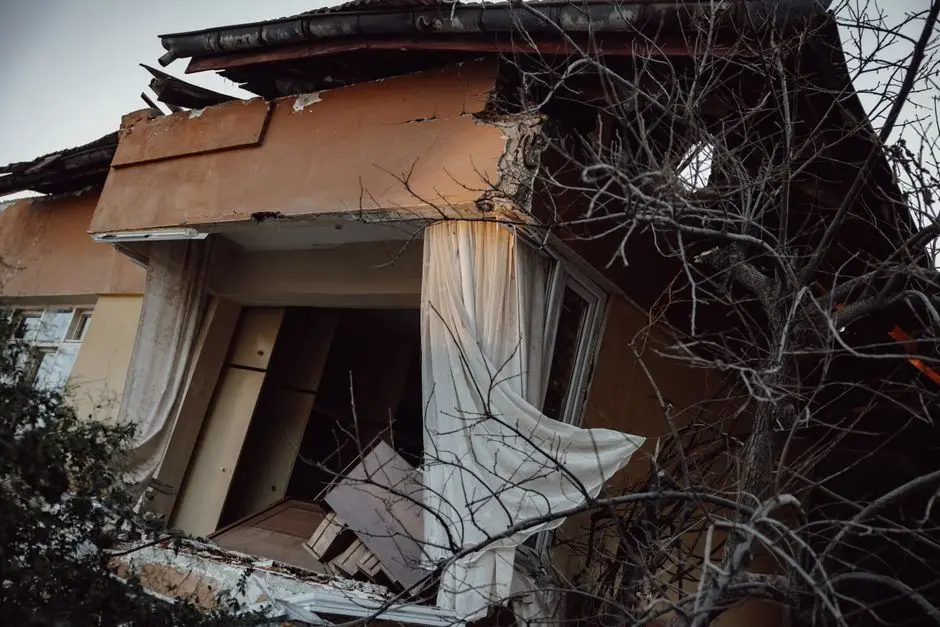
Water damage gets worse by the hour. Mold can start colonizing wet drywall in 24 to 48 hours, and warped subflooring never comes back on its own. Here is what you get when you call us instead of waiting until Monday.
24/7 emergency response
We answer the phone at 2 a.m. when a pipe bursts and take 24/7 water damage restoration in Colorado calls every day of the year. Crews stage out of Denver, Colorado Springs, and Grand Junction, so most Front Range addresses see a technician within 60 to 90 minutes. We tarp, extract, and start drying the same visit.
Insurance documentation done right
We write every scope in Xactimate, the same estimating platform most carriers use, and photograph moisture readings before, during, and after drying. That means fewer back-and-forth emails and faster claim approvals. We bill carriers directly and walk you through what your policy covers.
Certified drying, not guesswork
Our technicians hold IICRC WRT and IICRC ASD credentials, so drying targets follow the S500 standard instead of a fan pointed at the carpet. We log hygrometer readings daily and hand you the drying report at the end. If the numbers say dry, it is dry.
Affordable, upfront pricing
Affordable water damage restoration in Colorado starts with a written scope before we pull a single hose. You see the extraction, drying, and repair line items up front. No surprise add-ons after the equipment leaves, and no charge for the initial assessment when we do the work.
Typical 2026 pricing for Water Damage Restoration in Colorado runs $1,200 to $3,500 for extraction and drying on a standard residential job, with repairs adding $800 to $4,000 depending on materials and scope. Sewage backups, large losses, and crawl space jobs cost more because they require more labor, more equipment, and more disposal. We provide a written Xactimate scope before work starts, bill insurance directly when coverage applies, and never add charges after the fact. If you want water damage cleanup Colorado pricing you can actually plan around, call us and we will walk you through it.
Typical Investment Range
$1,200 - $3,500 for extraction and drying; $2,000 - $7,500 total with repairs
You are paying for certified technicians, commercial-grade equipment, daily monitoring, and documentation that holds up to insurance scrutiny. The alternative, a cheap job that leaves moisture behind, leads to mold remediation that costs three to five times more.
What changes the price
Water category and contamination level
Clean water from a supply line is the cheapest to handle. Gray water from appliances and category 3 sewage water require antimicrobial treatment, PPE, and disposal of contaminated materials, which adds significant cost.
Square footage affected
A 100-square-foot bathroom is a much smaller job than a 1,200-square-foot finished basement. More square footage means more extraction, more drying equipment, and longer monitoring.
Materials affected
Carpet and padding are cheap to replace. Hardwood, tile, and finished drywall cost more to dry and repair. Concrete and framing take longer to dry but usually survive.
How long the water sat
Water that sat for 24 hours causes less damage than water that sat for a week. Longer exposure means more mold risk, more material removal, and higher overall cost.
Access and equipment needs
Crawl spaces, second-story losses, and homes with no driveway access require portable equipment and more labor hours. Easy access keeps costs down.
Repair scope after drying
Some jobs need only drying and paint. Others need drywall replacement, flooring, cabinetry, and trim work. The repair scope is the biggest variable in the final invoice.
Google ★★★★★4.9
Called at 6 a.m. after our water heater let go. Technician was here by 7:30, had the water extracted and drying equipment running by 9. Four days later everything was dry and they had already submitted the claim to our insurance. Professional and fast.
Yelp ★★★★★4.8
We had a sewage backup in our basement and these guys handled everything. They wore full PPE, removed all the contaminated stuff, and treated the whole area. The smell was gone in two days. They also helped us file the claim correctly.
BBB ★★★★★4.9
After a pipe burst in our mountain cabin while we were away, they coordinated everything remotely, sent us photos daily, and had the place dried and repaired before we came back. Honest pricing and clear communication throughout.
Google ★★★★★5.0
Best water damage cleanup in Colorado, hands down. They found moisture behind our kitchen wall that another company missed. The thermal camera and daily readings gave us confidence the job was done right. Would use them again without hesitation.
We run Water Damage Restoration in Colorado from multiple staging locations so we can reach both metro and rural addresses fast. Whether you are in a Denver high-rise, a Pueblo bungalow, or a cabin outside Fairplay, a certified crew is available. Here are some of the communities we serve regularly. If your city is not listed, call us anyway. We cover most of the state.
Denver's older housing stock and cold winters mean frozen pipe bursts and basement flooding are our most common calls. We know the building types and respond fast.
Pueblo sees sewage backups and storm flooding. We handle category 3 losses with full containment and antimicrobial treatment, and we know the local housing stock.
Commerce City's industrial and residential mix means everything from warehouse flooding to home pipe bursts. We stage equipment nearby for quick response.
Fountain's proximity to the mountains brings freeze-thaw pipe issues and summer storm flooding. We cover the area with crews out of Colorado Springs.
Frederick's newer construction often has PEX plumbing that can still freeze in exterior walls. We handle the drying and repairs without cutting unnecessary holes.
Gypsum sits in the Eagle River valley where freeze events are common. We respond from our Western Slope staging area with full drying equipment.
La Junta sees flash flooding and irrigation line failures on the Eastern Plains. We handle extraction, drying, and repairs for homes and commercial buildings.
Silverthorne's vacation properties often sit empty during winter freezes. We coordinate remotely with owners and manage the full job from extraction to repair.
Walsenburg's older homes and cold winters make frozen pipes a recurring problem. We respond from the southern corridor with portable drying setups.
Coal Creek's mountain properties see ice dams and frozen pipes. We handle the drying and repair work and can coordinate with your insurance from a distance.
Colorado City's rural setting means well water systems and older plumbing. We handle pipe failures, extraction, and structural drying for homes in the area.
At nearly 10,000 feet, Fairplay's dry air and cold temperatures change drying times. We adjust our equipment and monitoring schedule accordingly.
Watkins sits on the Eastern Plains where summer storms and hail drive water damage. We cover roof leaks, window leaks, and foundation seepage in the area.
Empire's mountain location means freeze-thaw cycles and ice dams. We handle pipe bursts and roof leak water damage for homes along the I-70 corridor.
Fort Garland's San Luis Valley location sees cold winters and aging plumbing. We provide extraction, drying, and repair services for homes and small businesses.
Real answers to the questions we hear most often from local homeowners and property managers.
When water is still rising, emergency water removal comes first. We pull standing water with truck-mounted extraction units and wet vacuums, then transition straight into structural drying. This is the front end of most Water Damage Restoration in Colorado jobs.
View Emergency Water RemovalFlood cleanup handles contaminated water from storms, river overflow, and surface flooding. We remove debris, extract water, apply antimicrobial solutions, and dry the structure. Common after spring snowmelt and summer flash flooding across Front Range and mountain communities.
View Flood CleanupBasement water damage restoration covers foundation seepage, sump pump failures, and basement flooding. We extract water, dry concrete and framing, and address the source. Colorado's clay soil and freeze-thaw cycles make basement water intrusion a year-round problem here.
View Basement Water Damage RestorationCrawl space water damage restoration targets water intrusion under the home, where humidity breeds mold and rots floor joists. We extract standing water, install vapor barriers, and dry the space with specialized equipment. Critical for older Colorado homes with vented crawl spaces.
View Crawl Space Water Damage RestorationRoof leak water damage repair handles water that entered through damaged shingles, flashing, or ice dams. We trace the leak path, dry attic insulation and ceiling drywall, and repair the interior damage. Common after Colorado hail storms and winter ice damming.
View Roof Leak Water Damage RepairPipe burst water damage repair addresses the most common emergency we see, especially during Colorado cold snaps. We shut off the water, extract, dry, and repair damaged drywall and flooring. Frozen pipes behind exterior walls are the leading cause of winter water damage calls.
View Pipe Burst Water Damage RepairCall (855) 343-0501 any time, day or night. We answer live, ask the right questions, and dispatch a crew. Most Front Range calls get a truck rolling within the hour, and we cover the entire state of Colorado.
Phone
(855) 343-0501Address
Colorado
Hours
Mon–Fri: 7AM – 7PM
Sat: 8AM – 4PM
Sun: Emergency Only
24/7 Emergency Available