
Moisture Inspection and Mapping
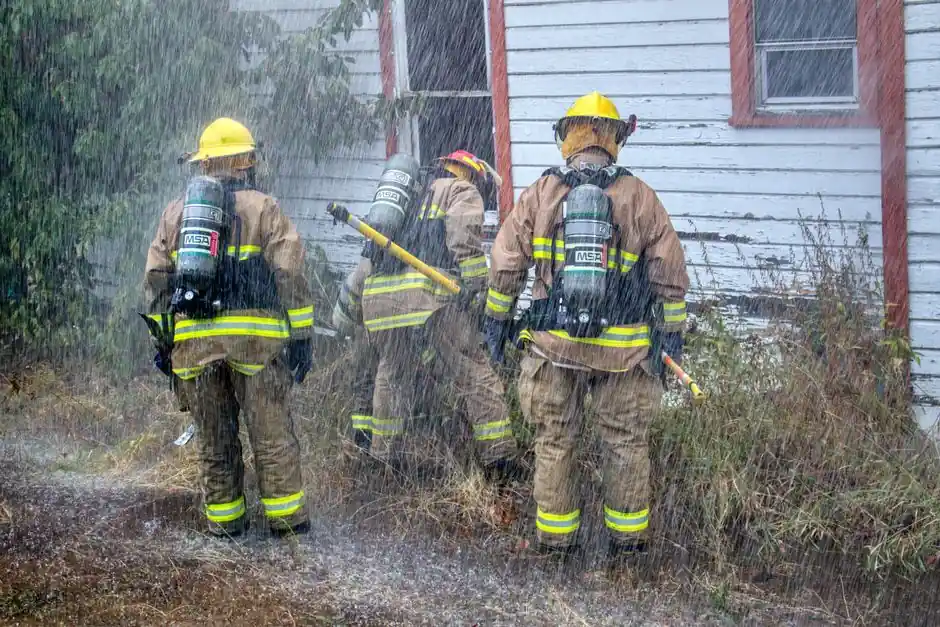
We walk the property with moisture meters and thermal imaging cameras, then mark wet zones on a floor plan. You see the readings and know exactly where the water went before we set a single piece of equipment.
Every job includes the full drying cycle from inspection through final verification. We do not hand you a dehumidifier and leave. Here is what you get when you hire us for structural drying and dehumidification Colorado properties need.
We walk the property with moisture meters and thermal imaging cameras, then mark wet zones on a floor plan. You see the readings and know exactly where the water went before we set a single piece of equipment.
Standing water and saturated carpet padding come out first. We use truck-mounted extraction units and wet vacuums to pull the bulk of the water before drying equipment goes down. This step alone cuts drying time by a full day on most jobs.
We position air movers to create a circular airflow pattern across wet surfaces and place dehumidifiers to pull moisture out of the air. Equipment counts are based on room size and material type, not guesswork.
A technician returns every day to log moisture content, adjust equipment placement, and check for new wet spots. You get a copy of the daily readings so you can track progress yourself.
Where moisture has been sitting or the water source was contaminated, we apply antimicrobial solutions to framing and subfloor surfaces. This stops mold growth before it starts and is standard on any job past the 48-hour mark.
We confirm every material has reached its dry standard, remove equipment, and hand you a complete drying report with daily logs and final readings. That report goes straight to your insurance adjuster.
Structural Drying in Colorado is the controlled removal of moisture from building materials, not just the air in the room. We start with moisture meters and thermal imaging cameras to map exactly where water traveled, then set air movers and dehumidifiers to pull it out of drywall, insulation, subflooring, and baseboards. Every material has a dry standard, and we measure against it until your structure reads normal again.
Colorado properties give us plenty of reasons to run this work. Frozen pipes crack behind walls in January, roof leaks show up after spring hail, and crawl space water intrusion sits quietly under homes for months. That is why 24/7 structural drying in Colorado matters here: the first 24 to 48 hours decide whether you are drying a floor or replacing one.
Five steps, one crew, and a clear picture of what happens from the first call to the final reading. Here is how a job runs.
Schedule
Call or book online — a real human picks up and confirms a 2-hour arrival window.
Diagnose
Licensed tech inspects on-site, then walks you through the cause and your options.
Fix
The job is completed to code and done right the first time — no shortcuts, no surprises.
Guarantee
Every job backed by a written workmanship warranty — and we stand behind it.
Moisture Meters and Hygrometers
We use pin and pinless moisture meters to read moisture content in drywall, wood, and concrete. Hygrometers track relative humidity in the air so we know the dehumidifiers are keeping up.
Thermal Imaging Cameras
Infrared cameras show temperature differences that reveal hidden moisture behind walls and under floors. We use them to map the full extent of a loss before we set equipment.
Dri-Eaz Air Movers
High-velocity air movers create the airflow pattern that evaporates moisture off wet surfaces. We position them along walls and in corners to keep air moving across every wet square foot.
Santa Fe and Phoenix Dehumidifiers
Refrigerant and desiccant dehumidifiers pull moisture out of the air so evaporation keeps happening. We size them to the cubic footage of the wet zone, not a one-size-fits-all count.
Truck-Mounted Water Extraction Units
These pull standing water and deeply saturated carpet faster than portable units. On a typical residential loss, extraction takes one to four hours depending on volume.
Borescopes
We use borescopes to look inside wall cavities without cutting large openings. That lets us confirm whether insulation and framing are wet before deciding on a dry-in-place approach.
IICRC S500 Drying Standard
We follow the IICRC S500 standard for water damage restoration, which sets the dry standards for each material type. That means we are not guessing when a floor is dry. We are measuring against a published standard and documenting it.
Psychrometric Monitoring
We track temperature, relative humidity, and dew point to understand how moisture is moving through your structure. When the numbers tell us drying has stalled, we adjust equipment or add heat instead of just waiting.
Xactimate Documentation
Every job gets documented in Xactimate, the estimating platform most insurance carriers use. Line items, equipment hours, and moisture logs are formatted the way adjusters expect, which speeds up claim approvals.
Antimicrobial Treatment Protocol
On any job where water has been sitting more than 48 hours or the source is contaminated, we apply antimicrobial solutions to framing and subfloor surfaces. This is standard practice, not an upsell, and it stops mold before it starts.
01
What we do: We extract standing water from both levels, pull saturated carpet padding, and set drying equipment on the main floor and in the basement. Moisture mapping tells us exactly how far the water traveled.
→ Both levels reach dry standard in four to five days. You keep the subfloor and avoid a full basement remodel.
02
What we do: We dry the attic insulation and wall cavity with directed airflow, apply antimicrobial where moisture sat, and document everything for your insurance claim.
→ The wall and attic dry in four days. Your roofer makes the repair and you are not replacing drywall.
03
What we do: We handle the extraction, remove saturated materials, and run a full drying setup with extra dehumidification for the cold mountain air. Daily monitoring catches any secondary moisture.
→ The unit is dry and ready for the next tenant in six days. No mold, no odor, no lost rental income beyond the drying window.
04
What we do: We isolate the leak with the plumber, then dry the concrete and flooring materials with low-profile air movers and desiccant dehumidification. Baseboards come off so the wall bottom plate can dry.
→ The slab and flooring reach dry standard in five to seven days. You avoid a full floor tear-out and the repair stays contained.
Colorado's climate creates two very different drying environments. On the Front Range, low humidity and warm summers help evaporation, but winter pipe bursts and spring hail keep crews busy year-round. In mountain towns, cold air slows drying and we run heat alongside dehumidifiers to keep the process moving. Older Denver neighborhoods have plaster walls and cast-iron drains that behave differently from newer construction in Broomfield or Severance. We adjust equipment counts and drying timelines based on what the building is made of, not a generic formula. If you have been looking for affordable structural drying in Colorado, call us and we will tell you what your specific job needs before we set a single air mover.
Denver Metro
Older bungalows and Victorians with plaster walls and finished basements. Plaster holds moisture longer than modern drywall, so we extend drying timelines by a day on most of these jobs.
Front Range Suburbs
Newer construction in Broomfield, Erie, and Severance uses engineered lumber and tight building envelopes. These dry faster but trap moisture in wall cavities, so we rely on borescopes to verify.
Mountain Communities
Breckenridge, Eagle, and Nederland sit at altitude where cold temperatures slow evaporation. We run heat and desiccant dehumidifiers to compensate and keep drying on schedule.
Eastern Plains
Fowler, Kiowa, and Keenesburg see wind-driven rain and hail that push water into places you would not expect. We check roof decks and wall assemblies carefully on these jobs.
Frozen pipes in mountain towns and high-altitude communities
Temperatures drop below zero for days at a time, and pipes in exterior walls or unheated crawl spaces freeze and burst. We see a spike in calls from Breckenridge, Eagle, and Hot Sulphur Springs every January and February.
Hail and wind-driven rain on the eastern plains
Storms in Kiowa, Keenesburg, and Fowler drive water through roof vents and under shingles. The damage often shows up as a ceiling stain days later, by which point moisture has spread through the attic.
Low humidity on the Front Range
Dry air helps surface evaporation but can mask moisture trapped inside wall cavities. We rely on thermal imaging and borescopes to confirm the structure is actually dry, not just the surface.
Most water damage starts small and gets expensive fast. These are the calls we run most often across Colorado, and what happens when they are handled in the first day or two.
Problem
Water runs inside the wall cavity and soaks insulation and drywall from the inside. By the time you see the stain, mold may already be growing behind the paint.
Our Fix
We cut a small access point, extract standing water, and dry the cavity with directed airflow. Insulation that is saturated gets replaced, and we verify the framing reads dry before closing it up. Most wall cavities dry in three to four days.
Problem
Concrete floors stay cold and hold moisture, which slows evaporation. Carpet, padding, and stored belongings soak up water and become a mold source within 48 hours.
Our Fix
We pull saturated carpet and padding, extract the concrete, and run high-capacity dehumidifiers sized for below-grade spaces. Foundation seepage points get checked so we know whether water is still coming in.
Problem
Water travels along framing before it shows up as a ceiling stain. By the time you see the drip, the insulation above it is soaked and the drywall is sagging.
Our Fix
We trace the water path with infrared cameras, dry the ceiling cavity and wall assembly, and coordinate with your roofer so the repair happens before the next storm. Drying typically takes four to five days.
Problem
Limited airflow means water sits for weeks. Subfloor framing absorbs moisture, plywood delaminates, and the whole house starts to smell musty.
Our Fix
We install specialized air movers and dehumidifiers in the crawl space, check the vapor barrier for tears, and dry the subfloor framing to standard. Most crawl spaces reach dry standard in five to seven days.
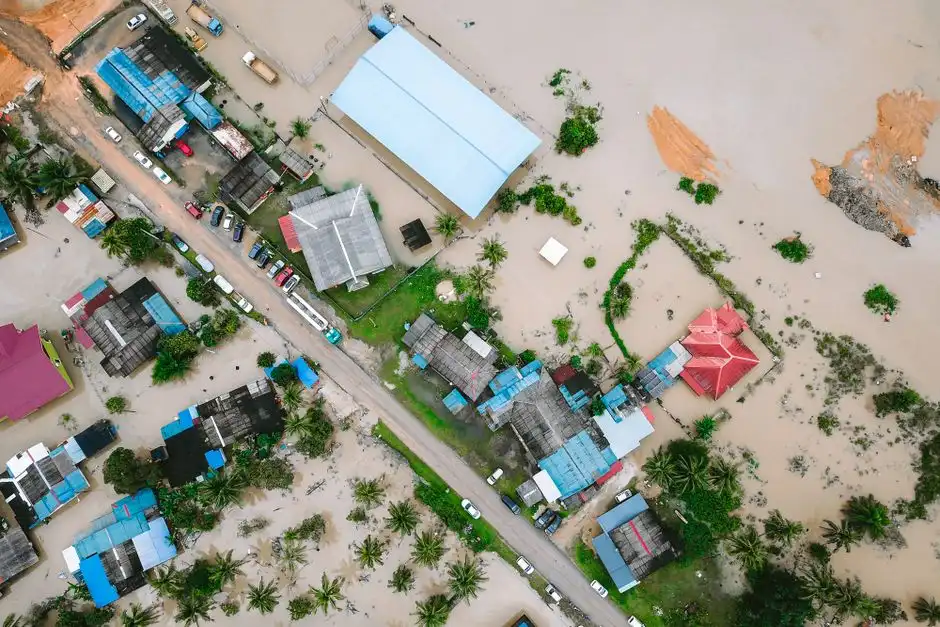
Drying is the difference between a repair bill and a rebuild. Here is what you get when our crews set up on your property.
Mold Stopped Early
Mold can colonize wet drywall in as little as 24 to 48 hours. We start extraction and airflow the same day we arrive, which keeps most jobs from turning into a tear-out. On a typical 400-square-foot wet room, we hold drying time to three to five days instead of two weeks.
Drying Logs for Insurance
Every visit gets logged: moisture content, temperature, relative humidity, and equipment placement. We build those readings into Xactimate-formatted documentation your adjuster can read without a phone call. That is the difference between a paid claim and a back-and-forth over scope.
Materials Saved, Not Replaced
Hardwood, plywood subfloor, and drywall can often be dried in place when we get there fast. Saving the structure means less demolition, less dumpster time, and a shorter stay out of the house. We only cut what the moisture readings say is unsalvageable.
No Hidden Moisture Left Behind
We do not stop when the carpet feels dry. Hygrometers and infrared cameras confirm hidden pockets behind baseboards and inside wall cavities are at dry standard before we pull equipment. You get a final walkthrough with the numbers in hand.
Typical 2026 pricing for structural drying in Colorado runs $1,200 to $3,800 for most residential jobs. A single wet room with fast response often lands near the low end. A finished basement with multiple wet zones, carpet padding removal, and extended drying time pushes toward the high end. We give you a written scope before we start so there are no surprises. If your loss is covered by insurance, we work directly with your adjuster and bill the carrier. For property managers and commercial clients, we offer volume pricing on multi-unit losses.
Typical Investment Range
$1,200 - $3,800 depending on scope
The cost of drying is almost always less than the cost of replacing what mold destroys. A $2,500 drying job that saves a $12,000 basement remodel is money well spent. We document everything so your insurance carrier sees exactly what was done and why.
What changes the price
Square Footage Affected
More square footage means more equipment, more monitoring visits, and more drying time. A 200-square-foot bathroom might need three air movers. A 1,000-square-foot finished basement needs eight to ten plus multiple dehumidifiers.
Water Category and Contamination
Clean water from a supply line is straightforward. Sewage backups and floodwater require removal of contaminated materials and antimicrobial treatment, which adds labor and disposal costs.
Material Types
Carpet and padding dry fast but padding usually gets replaced. Hardwood, plywood subfloor, and plaster walls take longer and need more equipment. Concrete slabs are the slowest and often need desiccant dehumidification.
Drying Duration
Most jobs run three to five days. Jobs that stretch to seven or ten days cost more because equipment stays on site longer and we make more monitoring visits. Fast response is the single biggest factor in keeping this number down.
Access and Obstruction
Crawl spaces, finished basements packed with storage, and rooms with heavy furniture take longer to set up and require moving or working around obstacles. That adds labor time to the job.
After-Hours Response
We do not charge a premium for nights and weekends. A burst pipe at 2 a.m. costs the same as a call at 2 p.m. Getting us there fast matters more than the hour on the clock.
Google ★★★★★4.9
Called at 6 a.m. after our water heater let go and flooded the utility room and hallway. Crew was here by 7:30, had the water out and equipment running by 9. Four days later everything was dry and they showed me the readings. No mold, no drama.
Yelp ★★★★★4.8
We had a roof leak that soaked the ceiling and an interior wall. They worked with our insurance adjuster directly and the claim went through without a single question. The drying log they provided was thorough. Would call them again without hesitation.
BBB ★★★★★4.9
Frozen pipe burst in our Breckenridge condo in February. These guys drove up from the Front Range, handled everything, and had the unit dry in five days. Professional, on time, and they explained every step. Highly recommend for mountain properties.
Google ★★★★★5.0
Basement flooded after a storm and I had no idea where to start. They walked me through the whole process, showed me the moisture readings, and did not try to sell me anything I did not need. Dried the space in four days and saved the subfloor.
We deliver professional structural drying Colorado wide, from the Denver metro to mountain communities and eastern plains towns. Crews stage out of multiple locations so we can reach most addresses within 60 to 90 minutes. Whether you are in a historic home in Central City or a newer build in Severance, the equipment and the documentation are the same.
Older Arvada homes with finished basements and cast-iron drains are common candidates for structural drying after supply line failures. We handle extraction and drying without tearing out more than the readings require.
Broomfield's newer construction traps moisture in tight wall cavities. We use thermal imaging and borescopes to confirm the structure is dry, not just the surface, before we pull equipment.
Wheat Ridge has a mix of mid-century homes and newer builds. We size drying equipment to the specific materials in your home, whether that is plaster, drywall, or engineered lumber.
Canon City sees storm-driven water under doors and through roof vents. We extract, dry the affected assemblies, and document everything for your insurance claim.
Severance is growing fast with new construction that dries quickly but hides moisture in wall cavities. We verify with moisture meters and infrared cameras before calling a job complete.
Eagle's cold winters mean frozen pipes and slow drying. We run heat alongside dehumidifiers to keep mountain jobs on a three-to-five-day schedule.
Breckenridge rentals sit empty between guests, which means water damage can go unnoticed for days. We respond fast and dry units so they are ready for the next check-in.
Niwot's older homes and mature trees mean roof leaks and foundation seepage. We trace the water path, dry the structure, and check for hidden moisture behind baseboards.
Keenesburg sits on the eastern plains where hail and wind-driven rain push water into roof decks and wall assemblies. We check both before declaring a job dry.
Nederland's altitude and cold temperatures slow evaporation. We bring desiccant dehumidifiers and run heat to keep drying on schedule in mountain conditions.
Hot Sulphur Springs properties face hard freezes and frozen pipe risk every winter. We handle the extraction and drying, and we check exterior walls for vulnerable lines.
Fowler sees storm-driven water and roof leaks during hail season. We dry the structure and document the loss so your carrier has what it needs to process the claim.
Kiowa's open plains mean wind-driven rain that finds its way under doors and through vents. We extract, dry, and verify with moisture readings before we leave.
Green Mountain Falls homes sit in steep terrain where water runs downhill fast. We handle the extraction and dry the structure before secondary damage sets in.
Manzanola properties deal with summer storms and older building stock. We dry the structure to standard and provide documentation your insurance company can use.
Real answers to the questions we hear most often from local homeowners and property managers.
Full-scope restoration from extraction through repairs. When your loss involves torn-out drywall or damaged flooring, this is the service that puts the room back together after structural drying finishes.
View Water Damage RestorationStanding water comes out fast with truck-mounted extraction and wet vacuums. We run this first on any job with visible water, then move straight into structural drying once the bulk is gone.
View Emergency Water RemovalFloodwater carries contaminants, so cleanup includes antimicrobial treatment before drying starts. We handle the sanitation and then dry the structure to standard so nothing gets sealed in wet.
View Flood CleanupBasements trap moisture and stay cool, which slows drying. We bring in extra dehumidification and check foundation seepage points so the space actually reaches dry standard.
View Basement Water Damage RestorationCrawl spaces are the hardest areas to dry because airflow is limited. We use specialized air movers and vapor barrier checks to get subfloor framing dry before rot sets in.
View Crawl Space Water Intrusion RestorationRoof leaks send water down through insulation and ceiling drywall. We dry the affected cavities, then coordinate the roof repair so the next storm does not undo the work.
View Roof Leak Water Damage RepairCall (855) 343-0501 any time, day or night. We answer live, ask the right questions, and dispatch a crew. Most Front Range calls get a truck rolling within the hour, and we cover the entire state of Colorado.
Phone
(855) 343-0501Address
Colorado
Hours
Mon–Fri: 7AM – 7PM
Sat: 8AM – 4PM
Sun: Emergency Only
24/7 Emergency Available