
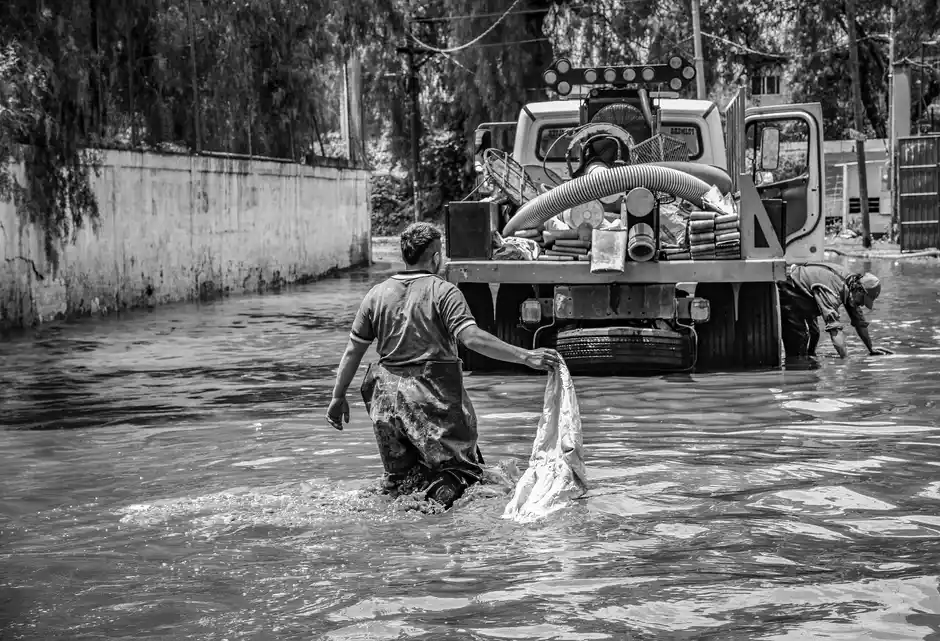
Emergency Water Extraction
Truck-mounted water extraction units and wet vacuums pull standing water from floors, carpet and crawl spaces. A typical flooded basement is water-free within two to four hours of arrival.
Every flood cleanup job we run includes the core steps below, priced upfront as one scope. If your situation needs something beyond this, like full reconstruction or asbestos abatement in an older home, we tell you before we start and quote it separately.
Truck-mounted water extraction units and wet vacuums pull standing water from floors, carpet and crawl spaces. A typical flooded basement is water-free within two to four hours of arrival.
We use moisture meters, thermal imaging cameras and hygrometers to map exactly where water traveled. Every reading is logged daily and included in your final drying report for the insurance claim.
Air movers, dehumidifiers and desiccants run around the clock until the structure hits its dry standard. We check readings daily and adjust equipment placement as walls and floors dry.
Framing, baseboards, subflooring and any exposed cavities get treated with antimicrobial solutions before we close anything up. This stops mold from colonizing the spaces we just dried.
Carpet padding, drywall, insulation and baseboards that cannot be saved get removed and disposed of properly. Contaminated floodwater is handled under OSHA 10 protocols with full PPE.
We walk the property with you, confirm every room reads dry, and hand over a written drying report. You also get a warranty on the work and a maintenance checklist to prevent future issues.
Flood Cleanup in Colorado is the emergency extraction, drying, sanitizing and restoration of a building after water intrusion, and it is needed the moment standing water touches floors, walls or crawl spaces. The job starts with moisture meters and thermal imaging cameras to map how far the water traveled. Then we pull the bulk of it with water extraction units and wet vacuums, set air movers and dehumidifiers, and monitor daily until the structure reads dry on a hygrometer. Skipping any step invites mold growth within 24 to 48 hours.
Colorado properties flood for reasons that have nothing to do with a river. Frozen pipes split behind kitchen walls in January, sump pumps quit during a May hailstorm, and slab leaks quietly soak carpet for weeks before anyone notices. That is why our flood cleanup services Colorado wide are built around same-day dispatch, not a scheduled appointment three days out. If you are searching for flood cleanup near me while water is still spreading, we are the crew that answers at 2 a.m.
From the first phone call to the final moisture reading, here is exactly how a flood cleanup job runs with our team.
Schedule
Call or book online — a real human picks up and confirms a 2-hour arrival window.
Diagnose
Licensed tech inspects on-site, then walks you through the cause and your options.
Fix
The job is completed to code and done right the first time — no shortcuts, no surprises.
Guarantee
Every job backed by a written workmanship warranty — and we stand behind it.
Thermal Imaging Cameras
Find hidden water behind walls, under floors and in ceiling cavities without tearing anything open. We use infrared cameras to map the full extent of the intrusion before we start.
Water Extraction Units
Truck-mounted and portable units that pull hundreds of gallons per hour from carpet, concrete and crawl spaces. These are the first piece of equipment on every job.
Dri-Eaz and Phoenix Air Movers
High-velocity air movers that evaporate moisture from surfaces and push it into the air stream so dehumidifiers can capture it. We position them based on the moisture map, not guesswork.
Santa Fe and Honeywell Dehumidifiers
Pull moisture out of the air and keep it from re-condensing on walls and floors. Essential in Colorado's dry climate where we can push drying faster than in humid states.
Moisture Meters and Hygrometers
Measure moisture content in wood, drywall and concrete, and track relative humidity in the air. We log readings daily and do not pull equipment until the structure reads dry.
Borescopes
Inspect inside wall cavities and under cabinets without demolition. We use them to confirm whether water reached framing and insulation before we decide what to remove.
Wet Vacuums and Sump Pumps
Handle smaller volumes of standing water and pump out crawl spaces and basements where truck-mounted units cannot reach. RIDGID and Shop-Vac units are standard on every truck.
IICRC S500 Standard
The industry standard for water damage restoration. It defines water categories, dry standards and the documentation required to prove a structure is dry. Every job we run follows it.
Xactimate Estimating
We write every insurance estimate in Xactimate, the same software most carriers use. That means line items match what the adjuster expects, and claims get approved faster.
Antimicrobial Application
After drying, we treat framing, subflooring and baseboards with antimicrobial solutions. This is the step that stops mold from growing in the cavities we just dried.
Daily Moisture Monitoring
We return every day to log readings on a hygrometer and adjust equipment placement. Drying is not a set-it-and-forget-it job, and the daily log is what proves the structure is dry.
01
What we do: We dispatch a crew immediately, shut off the water, extract from carpet and concrete, and set drying equipment. Because it is clean water, we can often save the carpet and pad if we get there fast enough.
→ Water is out within three hours, drying runs four days, and the homeowner avoids a full basement remodel.
02
What we do: We tarp the roof, extract water from the ceiling cavity, and dry the framing. We also check for mold in the attic and replace any wet insulation before it sags.
→ The ceiling is dried and repaired in five days, and the HOA has documentation for its insurance claim.
03
What we do: We pump out the crawl space, set desiccants and air movers, and replace the failed vapor barrier. We also inspect the foundation for seepage points and seal them.
→ The crawl space reads dry in six days, and the homeowner avoids joist rot and a mold problem.
04
What we do: We extract the contaminated water, remove affected flooring, sanitize every surface with antimicrobial solutions, and dry the space. We work overnight so the restaurant can reopen for lunch.
→ The kitchen passes a health inspection two days later and reopens on schedule.
Colorado's climate creates flood scenarios you will not find in most states. At 5,280 feet in Denver and higher in the mountains, the air is dry and we can push structural drying faster than coastal crews. But that same dry air pulls moisture out of wet materials unevenly, so we monitor daily instead of assuming a three-day dry-out. Winter brings frozen pipes in older housing stock, especially in Georgetown, Idaho Springs and other mountain towns where plumbing runs through unheated crawl spaces. Spring and summer bring hailstorms and flash floods along the Front Range and Eastern Plains, and monsoon season dumps heavy rain on the Western Slope. We stock our trucks for all of it: desiccants for cold-weather drying, sump pumps for crawl spaces, and antimicrobial solutions for the sewage backups that follow heavy rain. If you need flood cleanup and restoration Colorado wide, we have a crew staged within reach.
Aurora
Aurora's mix of 1960s ranches and newer builds means we see both galvanized pipe failures and modern PEX bursts. We stock parts for both.
Westminster
Westminster's older neighborhoods have basements with original cast-iron drains that crack and back up. We camera the line before we close out a job.
Littleton
Littleton's proximity to the South Platte means spring runoff can push water into crawl spaces. We install and check sump pumps as part of flood cleanup.
Vail
Vail's freeze-thaw cycles split pipes in condos that sit empty for weeks. We respond fast and dry with desiccants in cold weather.
Fort Lupton
Fort Lupton's agricultural properties often have crawl spaces and outbuildings that flood after heavy rain. We pump, dry and replace vapor barriers.
Frozen pipes in unheated crawl spaces and exterior walls
Colorado's freeze-thaw cycles split copper and PEX lines from November through March. We respond 24/7 and dry with desiccants when outdoor temperatures are below freezing.
Hail and flash flooding along the Front Range
Spring and summer storms drive water through roofs and into basements fast. We tarp, extract and dry, and we document everything for the insurance claim.
High-altitude dry air that dries unevenly
At 5,280 feet and above, surfaces dry faster than wall cavities. We monitor daily with hygrometers and do not pull equipment until every cavity reads dry.
Monsoon-season rain on the Western Slope
July and August storms soak crawl spaces and basements in Grand Junction and surrounding areas. We pump out, dry, and seal foundation seepage points.
Most Colorado floods are not river floods. They are burst pipes, failed sump pumps, roof leaks and sewage backups, and each one needs a different approach.
Problem
Water soaks drywall, insulation and subflooring within hours. If it is not extracted and dried fast, mold colonizes the cavity in 24 to 48 hours and the repair bill triples.
Our Fix
We locate the break with thermal imaging cameras, shut off the source, extract standing water, and dry the wall cavity with air movers and dehumidifiers. We also repair the pipe and replace damaged drywall and insulation.
Problem
Basements fill with several inches of water fast. Carpet, padding and stored belongings are ruined, and the moisture wicks up drywall within a day.
Our Fix
Our crews extract the water, remove unsalvageable carpet and padding, and dry the concrete and framing. We also check the sump pump and recommend a backup system so it does not happen again.
Problem
Category 3 contaminated water carries bacteria and pathogens. It requires full PPE, proper disposal and aggressive sanitizing, not a shop vac and a fan.
Our Fix
We handle sewage backups under OSHA 10 protocols, remove contaminated materials, treat every surface with antimicrobial solutions, and dry the structure. We document everything for the insurance claim.
Problem
Joists rot, insulation fails, and mold spreads through the subfloor into living spaces. By the time you smell it, the damage is already structural.
Our Fix
We pump out the crawl space, dry it with desiccants and air movers, replace damaged vapor barriers and insulation, and treat framing with antimicrobial solutions. We also identify the source so it does not recur.
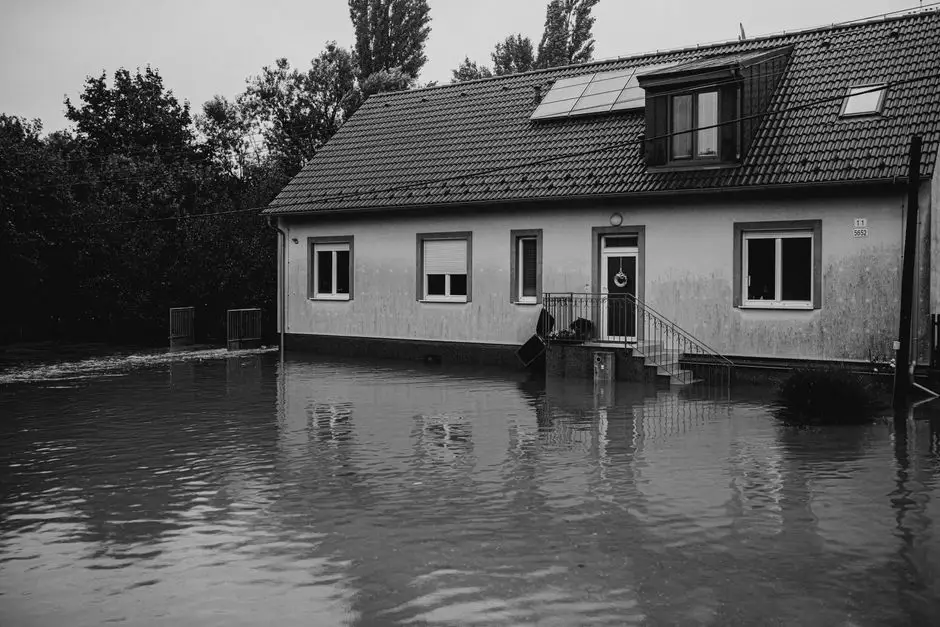
Water damage gets worse by the hour. These are the four outcomes our customers care about most, and the numbers behind them.
Water Out in Hours
Our truck-mounted extraction units pull hundreds of gallons per hour, so a typical flooded basement is standing-water-free within two to four hours of arrival. That speed is the difference between replacing carpet padding and replacing the whole subfloor.
Certified Drying, Not Guesswork
Every technician on a flood water removal Colorado job holds IICRC WRT certification and documents moisture readings daily. You get a written drying log showing exactly when each room hit its dry standard, which is the same record your insurance adjuster wants to see.
Direct Insurance Billing
We write estimates in Xactimate, the same software most carriers use, and bill them directly. That means fewer back-and-forth emails, faster claim approval, and less money out of your pocket while the claim is pending.
Mold Stopped at the Source
We apply antimicrobial solutions to framing, baseboards and subflooring before we close anything up. Combined with desiccants and Santa Fe Dehumidifiers, that step keeps mold from colonizing the cavities we just dried.
Flood cleanup pricing depends on how much water there is, what category it falls into, and how much material has to be removed. Most residential jobs in Colorado run $1,200 to $6,500 in 2026. Small clean-water jobs can land under $1,500. Sewage backups and large-scale flooding can push past $8,000. We give you a written price before we start, and we bill your insurance carrier directly so you are not fronting the full cost.
Typical Investment Range
$1,200 - $6,500 for most residential jobs; $8,000+ for large or contaminated losses
The price covers extraction, drying equipment, daily monitoring, antimicrobial treatment, material removal and a written drying report. Doing it right the first time costs less than tearing out mold six months later.
What changes the price
Water Category
Clean water from a burst pipe is the cheapest to handle. Gray water from appliances and category 3 sewage require PPE, disposal and additional sanitizing, which adds 30% to 50% to the job.
Square Footage Affected
A 200-square-foot bathroom is a one-day extraction. A 1,500-square-foot finished basement with carpet, drywall and insulation is a five-day job with material removal and rebuild.
Material Removal
Carpet padding, drywall and insulation that cannot be saved have to be removed and disposed of. The more material that comes out, the higher the labor and disposal cost.
Drying Time
Most jobs dry in three to five days. Older homes with plaster walls or thick subflooring can take seven days, which means more equipment rental time and more monitoring visits.
Access and Complexity
Crawl spaces, finished basements with limited access, and multi-story homes take longer to set up and monitor. Tight access adds labor hours.
Insurance Coverage
If your policy covers the loss, you typically pay your deductible and we bill the carrier directly. We write the estimate in Xactimate so the adjuster can process it quickly.
Google ★★★★★4.9
Called at 11 p.m. after our water heater let go and flooded the garage and laundry room. The crew arrived in about an hour, extracted everything, and set up drying equipment. They handled the insurance claim and we only paid our deductible. Highly recommend.
Yelp ★★★★★4.8
We had a sewage backup in our basement and these guys were the only ones who would come out same day. They wore full PPE, removed the contaminated materials, and sanitized everything. Five days later the basement was dry and smelled clean. Fair price, no surprises.
BBB ★★★★★4.9
A pipe burst in our crawl space while we were out of town. They pumped it out, dried the joists, and replaced the vapor barrier. The documentation they gave us made the insurance claim easy. Professional crew, showed up when they said they would.
Our technicians carry IICRC WRT, ASD and AMRT certifications, plus EPA Lead-Safe and OSHA 10 credentials for working safely in older Colorado homes. We have dried everything from 1890s Georgetown mining cottages to brand-new Vail condos, and we know how each building type behaves when it gets wet. We are Xactimate certified and RIA certified, which means our documentation stands up to insurance scrutiny. Every job is run by a Colorado-licensed contractor, and we carry full insurance and bonding on every crew.
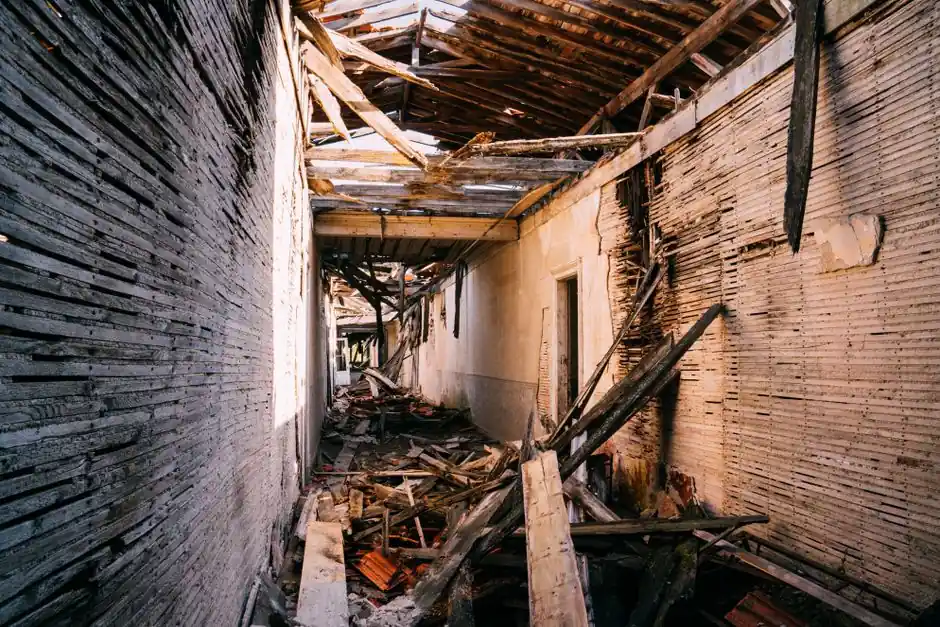
We run flood cleanup crews across the entire state, from the Front Range metro to mountain towns and the Eastern Plains. Whether you are in a Denver suburb or a small town off the I-70 corridor, you get the same certified technicians, the same equipment and the same upfront pricing. Here are a few of the communities we serve regularly.
Aurora's mix of older ranches and newer builds means we see both galvanized pipe failures and modern PEX bursts. We stock parts for both and run 24/7 crews out of the metro.
Westminster's older neighborhoods have basements with original cast-iron drains that crack and back up. We camera the line before we close out a job and recommend repairs when needed.
Littleton's proximity to the South Platte means spring runoff can push water into crawl spaces. We install and check sump pumps as part of every flood cleanup job.
Louisville's mix of historic downtown buildings and newer subdivisions means we handle everything from basement flooding in older homes to slab leaks in new construction.
Lone Tree's newer construction often has finished basements with engineered flooring. We extract fast and dry carefully to save the flooring when possible.
Fort Lupton's agricultural properties often have crawl spaces and outbuildings that flood after heavy rain. We pump, dry and replace vapor barriers as part of the job.
We serve the Usaf Academy area with the same 24/7 response as the rest of the Front Range. Frozen pipes and storm-driven roof leaks are the most common calls.
Vail's freeze-thaw cycles split pipes in condos that sit empty for weeks. We respond fast and dry with desiccants when outdoor temperatures are below freezing.
Platteville's location near the South Platte River means spring runoff and heavy rain can flood basements and crawl spaces. We pump out, dry and seal seepage points.
Elizabeth's rural properties often rely on well systems and septic, which means water intrusion can come from multiple sources. We diagnose the source before we start drying.
Ordway's Eastern Plains location means flash flooding after summer storms. We respond from our Front Range staging and handle extraction, drying and restoration.
Georgetown's historic mining-era homes have plumbing that runs through unheated crawl spaces. Frozen pipe bursts are our most common winter call here.
Dillon's high-altitude climate means cold winters and snowmelt intrusion. We dry with desiccants and monitor daily because the dry air dries surfaces faster than cavities.
San Luis is one of Colorado's oldest towns, with adobe and older construction that needs careful drying. We adjust our approach to protect historic materials.
Swink's agricultural setting means crawl spaces and outbuildings that flood after heavy rain. We pump, dry and replace vapor barriers to prevent mold and rot.
Real answers to the questions we hear most often from local homeowners and property managers.
Full-scope restoration after any water intrusion, from extraction through rebuild. We handle the entire job so you are not coordinating separate contractors for drying and repairs.
View Water Damage RestorationWhen water is still rising, our emergency crews pull it out fast with truck-mounted extraction units. Available 24/7 across Colorado, including holidays and overnight calls.
View Emergency Water RemovalBasements are the most common flood zone in Colorado homes. We extract, dry, and rebuild finished basements, including drywall, insulation and flooring, with mold prevention built in.
View Basement Water Damage RestorationCrawl space water intrusion rots joists and feeds mold fast. We pump it out, dry the space with desiccants and air movers, and replace damaged vapor barriers and insulation.
View Crawl Space Water Damage RestorationHail and wind drive water through compromised roofing across the Front Range. We tarp, extract, dry, and repair the interior damage so a small leak does not become a ceiling collapse.
View Roof Leak Water Damage RepairFrozen and burst pipes are Colorado's number one winter flood cause. We shut off the source, extract, dry, and repair the pipe and the damage it caused behind walls and under floors.
View Pipe Burst Water Damage RepairCall (855) 343-0501 any time, day or night. We answer live, ask the right questions, and dispatch a crew. Most Front Range calls get a truck rolling within the hour, and we cover the entire state of Colorado.
Phone
(855) 343-0501Address
Colorado
Hours
Mon–Fri: 7AM – 7PM
Sat: 8AM – 4PM
Sun: Emergency Only
24/7 Emergency Available