
Water Damage Pros Colorado logo Water Damage Pros Colorado
Get Estimate

Basement Water Damage Restoration in Colorado Done Right the First Time

Statewide crews, IICRC-certified drying, and 24/7 emergency response


Basement Water Damage Restoration in Colorado means getting standing water out fast, drying the structure to IICRC standards, and stopping mold before it starts. Our crews run 24/7 from the Front Range to the Western Slope, handling everything from frozen pipe bursts in Fort Collins to storm-driven seepage in Pueblo. Call (855) 343-0501 and we roll a truck today.

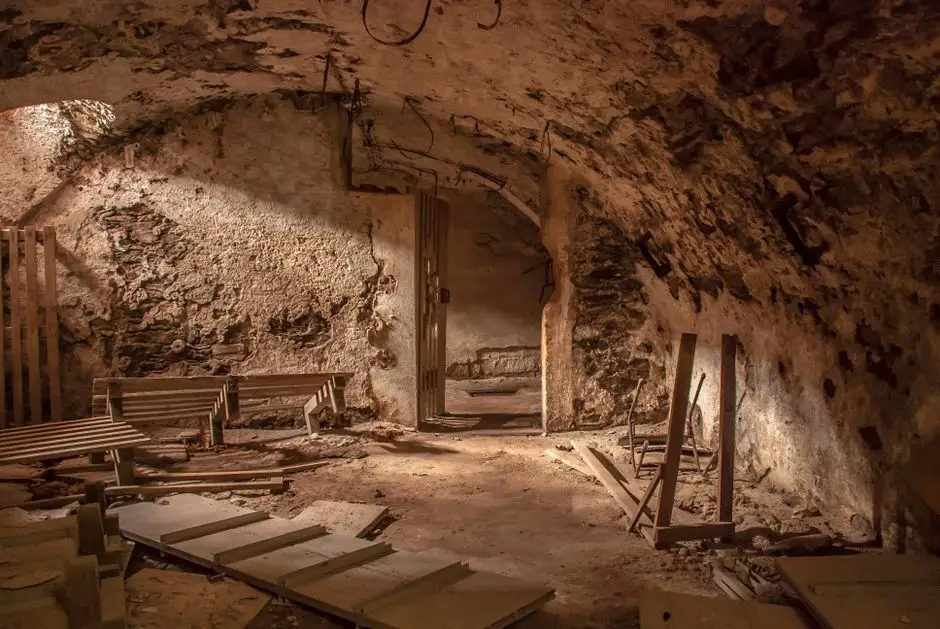
An atmospheric shot of an old, abandoned basement with weathered stone walls and scattered debris.
Licensed Licensed & Bonded
Fully Insured Insured & Bonded
24/7 Emergency Same-Day Response
Warranty Backed Workmanship Guaranteed

What Our Basement Water Damage Restoration Includes

Every job starts with a written scope, so you know what is covered before we pull a single piece of equipment off the truck. Extraction, drying, moisture documentation, and standard repairs are all part of the package. If your basement needs something outside the standard scope, we tell you upfront and quote it separately.

Emergency Water Extraction

Truck-mounted extraction units and wet vacuums pull standing water from concrete, carpet, and subflooring. Most basements are dry to the touch within two hours of arrival, which stops the water from wicking higher into drywall and framing.
Moisture Mapping & Documentation

Moisture meters, thermal imaging cameras, and hygrometers map exactly where water traveled. You get daily readings and infrared photos in a drying log your insurance adjuster can use to approve the claim without back-and-forth.

Commercial Structural Drying

Dri-Eaz and Phoenix air movers plus Santa Fe dehumidifiers run until every reading hits IICRC S500 dry standard, usually three to five days. We reposition equipment every 24 hours based on actual moisture data, not a fixed schedule.

Antimicrobial Treatment

EPA-registered antimicrobial solutions go down during extraction to stop mold before it colonizes. This matters most in the first 24 to 48 hours, when wet drywall and carpet padding are most vulnerable to mold growth.

Drywall, Baseboard & Floor Repairs

We replace cut-out drywall, baseboards, insulation, and carpet padding, then seal and paint to match. Finished basement water damage restoration in Colorado includes putting the room back the way it was, not leaving you with exposed framing.

Final Walkthrough & Drying Log

You walk the finished basement with the crew lead, review every moisture reading from day one to sign-off, and get a copy of the drying log. If anything looks off, we address it before we pack up the equipment.

What Basement Water Damage Restoration in Colorado Really Involves


Basement Water Damage Restoration in Colorado is the process of extracting standing water, drying structural materials to IICRC S500 standards, and repairing what the moisture ruined. We pull water with truck-mounted extraction units and wet vacuums, then place Dri-Eaz and Phoenix Restoration Equipment air movers and dehumidifiers to pull moisture out of concrete, drywall, and subflooring. Moisture meters and thermal imaging cameras tell us exactly where the water traveled, even behind finished walls. Most jobs hit dry standard in three to five days.

Colorado basements take on water in ways other states never see. Frozen pipes crack during January cold snaps, spring snowmelt pushes groundwater through foundation seepage, and summer hail storms drive roof leaks straight into below-grade rooms. If you are searching for basement water extraction near me after a 2 a.m. pipe burst, we answer the phone and dispatch. We also handle sewage backups, which require Category 3 containment and antimicrobial solutions before any drying starts.

Our Basement Water Damage Restoration Process

Five steps, one crew, and a drying log you can hand straight to your insurance adjuster. Here is exactly what happens from the moment you call.

01

Schedule

Call or book online — a real human picks up and confirms a 2-hour arrival window.

02

Diagnose

Licensed tech inspects on-site, then walks you through the cause and your options.

03

Fix

The job is completed to code and done right the first time — no shortcuts, no surprises.

04

Guarantee

Every job backed by a written workmanship warranty — and we stand behind it.

Tools and Methods We Use

Tools & Equipment

Thermal Imaging Cameras

Find hidden moisture behind finished walls, under subflooring, and around foundation cracks without tearing anything out. Infrared cameras show temperature differences that reveal where water traveled.

Moisture Meters & Hygrometers

Measure moisture content in drywall, concrete, and framing, and track relative humidity in the air. Daily readings tell us exactly when the structure hits dry standard.

Dri-Eaz & Phoenix Air Movers

High-velocity air movers evaporate moisture off wet surfaces so dehumidifiers can pull it out of the air. We position them based on the moisture map, not a fixed pattern.

Santa Fe & Honeywell Dehumidifiers

Pull hundreds of pints of water per day out of the air in a sealed basement. Commercial-grade units dry faster and deeper than residential dehumidifiers.

Truck-Mounted Extraction Units

Remove standing water at high volume, typically pulling 90 percent of the water in the first two hours. Wet vacuums and Shop-Vac units handle the residual and tight corners.

Borescopes & Infrared Cameras

Inspect inside wall cavities and behind baseboards to confirm whether hidden materials are wet. This prevents us from leaving moisture behind that turns into mold.

Methods & Standards

IICRC S500 Drying Standard

We dry every basement to the IICRC S500 standard, which sets target moisture content for different materials. This is the same standard insurance adjusters use to evaluate whether a job was done correctly.

Xactimate Estimating

Every insurance job gets a line-item Xactimate estimate that matches what carriers expect to see. This speeds up claim approval and reduces the back-and-forth that delays repairs.

Category-Based Contamination Protocol

Clean water, gray water, and sewage backups each require different handling. We identify the category on arrival and follow the right containment, removal, and antimicrobial protocol for each.

Daily Moisture Documentation

We log moisture readings every 24 hours and photograph equipment placement. You get a complete drying log at the end of the job that proves the structure hit dry standard.

When to Call for Basement Water Damage Restoration

01

You wake up to standing water in a finished basement after a pipe burst overnight

What we do: Call (855) 343-0501 immediately. We dispatch a crew within the hour, extract the water, and set drying equipment the same day. We also cut out any drywall that has wicked water above the flood line.

→ Standing water gone within two hours, structure dry in three to five days, and repairs completed in seven to ten days.

02

Your sump pump quit during a spring storm and water is rising in an unfinished basement

What we do: We arrive with backup extraction units, pull the water, and set commercial dehumidifiers. We inspect the sump pit and discharge line, and recommend a replacement pump if the old one is done.

→ Basement dry to the touch within hours, moisture readings at dry standard in three days, and a working sump system before the next storm.

03

You smell musty air and notice swollen baseboards along a foundation wall

What we do: We run moisture meters and thermal imaging to find the source, which is often foundation seepage or a slow slab leak. We dry the affected materials and seal the entry points to stop it from coming back.

→ Musty smell gone, baseboards replaced, and the foundation sealed so the same wall does not seep again next spring.

04

A sewage backup flooded your basement after heavy rain overwhelmed the municipal line

What we do: We treat it as Category 3 contamination: contain the area, remove contaminated materials, apply antimicrobial solutions, and dry the structure. Everything is documented for your insurance claim.

→ Contaminated materials removed and disposed of, structure dried and treated, and the basement safe to use again in about a week.

How Basement Water Damage Restoration Runs in Colorado

Colorado basements fail in predictable patterns, and knowing them saves you money. Along the Front Range, freeze-thaw cycles crack foundations and frozen pipes burst during January cold snaps. In mountain towns like Frisco and Basalt, snowmelt in April and May pushes groundwater against foundation walls for weeks. On the Eastern Plains, heavy summer storms overwhelm sump pumps and municipal sewer lines, sending sewage into basements. We size drying equipment for altitude, where lower air pressure changes how fast water evaporates, and we account for Colorado clay soil that holds water against foundations long after the storm passes. If you need basement water damage repair near me in Colorado, we have a crew that knows your local conditions and the building stock that comes with them. Older homes with stone or block foundations dry differently than new-build walkouts, and we adjust the plan accordingly.

Neighborhoods We Serve

  • Washington Park, Denver

    Century-old homes with stone foundations and finished basements. Seepage through mortar joints is common after spring snowmelt, and we handle the lead-safe work those older walls require.

  • Old Town, Fort Collins

    Historic homes with shallow basements and original block walls. Frozen pipe bursts are the top call here in January, and we know where the vulnerable supply lines run.

  • Briargate, Colorado Springs

    Newer builds on expansive clay soil. Sump pump failures and foundation seepage during summer storms are the most common calls, and we check the discharge line every time.

  • Downtown Golden

    Mix of older commercial and residential basements near Clear Creek. Storm-driven seepage and sewer backups after heavy rain are the two most frequent issues we see.

Local Conditions We Plan For

  • Freeze-thaw cycles cracking foundations

    Water finds every crack in January and February. We seal entry points after drying so the same wall does not seep again next winter.

  • High-altitude lower air pressure

    Water evaporates differently above 6,000 feet. We size dehumidifier capacity and air mover placement for altitude so drying stays on schedule.

  • Colorado clay soil holding water

    Clay keeps water against foundation walls for days after a storm. We extend drying time on walls that stay damp and recommend drainage fixes for recurring seepage.

  • Summer hail and storm-driven roof leaks

    Roof leaks run down inside walls and pool in basements. We trace the full path so we dry the basement and fix the roof entry point that caused it.

Frozen Pipe Burst in Fort Collins Basement

Before

A supply line froze and cracked at 3 a.m. in January, dumping water into a finished basement. Carpet, padding, and two feet of drywall were soaked, and water had reached the furnace closet.

After

We extracted 180 gallons in the first two hours, cut out the wet drywall, and ran dehumidifiers for four days. Moisture readings hit dry standard on day four, and repairs wrapped on day nine.

Maintenance: We insulated the failed pipe run and recommended a heat tape on the vulnerable section. The homeowner now shuts off the exterior line before the first hard freeze each fall.

Before

The sump pump quit during a July storm, leaving two inches of water across 900 square feet of finished basement. Carpet padding was saturated and baseboards had started to swell.

After

We pulled the water in 90 minutes, removed the ruined padding, and dried the space in five days. New padding, baseboards, and paint went in on day eight, and the room looks original.

Maintenance: We installed a new primary pump with a battery backup and tested the discharge line. The homeowner now runs a quarterly test pour to confirm the float still trips.

Before

Heavy rain overwhelmed the municipal line and sent sewage into a 600-square-foot basement storage area. Contaminated water reached the bottom two feet of drywall and soaked stored materials.

After

We contained the area, removed contaminated drywall and materials, applied antimicrobial solutions, and dried the structure in four days. Repairs finished on day seven with new drywall and paint.

Maintenance: We recommended a backwater valve on the main line to stop future backups. The property manager now schedules an annual line inspection before the spring storm season.

Basement Water Problems We Solve in Colorado

Most Colorado basement calls fall into a handful of patterns. Here is what we see most often and how we handle each one.

Problem

Frozen pipe bursts during January cold snaps

A single cracked supply line can dump hundreds of gallons into a basement overnight, soaking drywall, carpet, and stored belongings before anyone notices.

Our Fix

We shut off the water, extract the standing water, and dry the structure to IICRC standard. Then we repair the failed line so the same pipe does not let go again next winter. Most jobs wrap in seven to ten days including repairs.

Problem

Sump pump failure during spring storms

When a sump pump quits during a heavy rain, water rises fast. Two inches of standing water can wick into drywall within hours and start mold growth in under two days.

Our Fix

We arrive with backup extraction equipment, pull the water, and dry the space with commercial dehumidifiers. We also check the sump pit and discharge line so you know whether the pump needs replacing before the next storm.

Problem

Foundation seepage from Colorado clay soil

Clay soil holds water against foundation walls, and freeze-thaw cycles open cracks over time. Slow seepage often goes unnoticed until baseboards swell and a musty smell shows up.

Our Fix

We trace the moisture path with thermal imaging and borescopes, dry the affected materials, and seal the entry points. For recurring seepage, we recommend interior drainage or a vapor barrier to keep the basement dry long-term.

Problem

Sewage backups after heavy rain

Category 3 water carries bacteria and pathogens. Anything it touches, including drywall, carpet, and insulation, has to be removed and disposed of, not dried in place.

Our Fix

We contain the area, remove contaminated materials, apply antimicrobial solutions, and then dry the structure. Every step is documented for your insurance claim, and we handle the disposal so you never touch the contaminated material.

Why Colorado Homeowners Call Us First

Why Colorado Homeowners Call Us First

Water in a basement gets worse by the hour. Here is what you get when you call our crews instead of waiting until morning.

  • 60-Minute Emergency Response

    Our 24/7 basement water damage restoration in Colorado dispatch gets a crew rolling within the hour for most Front Range addresses. Every hour of delay lets water wick higher into drywall and carpet padding, which turns a $900 extraction into a $6,000 rebuild.

  • IICRC-Certified Drying

    Every lead tech holds IICRC WRT and ASD certifications, so your basement gets dried to the S500 standard your insurance adjuster recognizes. We document moisture readings daily with hygrometers and infrared cameras, giving you a defensible drying log from day one.

  • Insurance Paperwork Handled

    We write Xactimate estimates that match what carriers expect, photograph every affected material, and bill most Colorado policies directly. You get one point of contact from emergency call to final walkthrough instead of chasing three contractors and an adjuster.

  • Mold Stopped Before It Starts

    Mold can colonize wet drywall in 24 to 48 hours. We apply EPA-registered antimicrobial solutions during extraction, then keep dehumidifiers running until every reading hits dry standard. That is how we keep a flooded basement from becoming a $12,000 mold remediation project.

Basement Water Damage Restoration Pricing in Colorado

Typical 2026 pricing in Colorado runs $1,200 to $4,500 for extraction and drying, with full repairs pushing $6,000 to $15,000 depending on square footage and materials. We quote flat-rate before we start, so you know the number upfront. Insurance usually covers sudden events like pipe bursts and storm intrusion, and we bill most carriers directly. Affordable basement water removal in Colorado means no padded drying days and no surprise line items at the end.

Typical Investment Range

$1,200 - $15,000 depending on scope

Flat-rate pricing means the number we quote is the number you pay. We document every drying day with moisture readings, so you are never billed for equipment that was not needed.

What changes the price

01

Square footage affected

A 300-square-foot unfinished basement dries faster and cheaper than a 1,200-square-foot finished space. More square footage means more extraction time, more air movers, and more dehumidifier capacity.

02

Water category

Clean water from a supply line is the simplest job. Gray water from a washing machine or sewage backups require containment, removal of contaminated materials, and antimicrobial treatment, which adds cost.

03

Materials affected

Concrete and framing dry in place. Carpet, padding, and drywall usually have to come out and be replaced, which adds removal, disposal, and rebuild line items to the scope.

04

Drying duration

Most basements hit dry standard in three to five days. Thick concrete walls, high humidity, or hidden moisture behind finished walls can push drying to seven days, which adds equipment rental days.

05

Repair scope

Extraction and drying are one line item. Drywall, baseboards, insulation, paint, and flooring are separate. A full rebuild of a finished basement costs more than drying an unfinished one.

Licensed, Certified, and Documented

Licensed & Certified

  • IICRC WRT (Water Restoration Technician) — issued by Institute of Inspection, Cleaning and Restoration Certification
  • IICRC ASD (Applied Structural Drying) — issued by Institute of Inspection, Cleaning and Restoration Certification
  • IICRC AMRT (Applied Microbial Remediation Technician) — issued by Institute of Inspection, Cleaning and Restoration Certification
  • EPA Lead-Safe Certified Firm — issued by U.S. Environmental Protection Agency
  • OSHA 10 Construction Safety — issued by Occupational Safety and Health Administration

Verified Reviews

Google ★★★★★4.9

Pipe burst in our basement on a Sunday night. Crew arrived in under an hour, extracted the water, and had drying equipment running by midnight. Daily moisture checks and a clear drying log made the insurance claim easy. Repairs finished in a week.

Yelp ★★★★★4.8

Sewage backup after a storm and we were panicking. The team contained everything, removed the contaminated drywall, and treated the whole area. They walked us through every step and handled the disposal. No smell, no mold, and the basement is back to normal.

BBB ★★★★★4.9

Sump pump failed during a July storm and flooded our finished basement. The crew was professional, explained the pricing upfront, and finished the repairs on schedule. The moisture readings proved everything was dry before they packed up.

Google ★★★★★5.0

We had foundation seepage in an older home with a stone foundation. They used thermal cameras to find the source, dried the walls, and sealed the cracks. Honest about what needed to be done and what could wait. Highly recommend.

Local Experience You Can Verify

Our technicians train on IICRC WRT, ASD, and AMRT standards and carry OSHA 10 and EPA Lead-Safe credentials, which matters in older Colorado homes with lead paint in basement walls. We run Xactimate-certified estimating and hold RIA certification for restoration work. Every truck carries moisture meters, thermal imaging cameras, borescopes, and extraction units sized for residential and commercial basements. We have dried out everything from 1890s Denver stone foundations to new-build walkouts in Castle Rock, and we know how Colorado clay soil, freeze-thaw cycles, and high-altitude dryness change the drying curve.

  • IICRC WRT and ASD certified technicians on every crew
  • Xactimate-certified estimating for direct insurance billing
  • EPA Lead-Safe and OSHA 10 credentials for older home work
  • RIA-certified restoration procedures and documentation
  • Commercial-grade Dri-Eaz, Phoenix, and Santa Fe equipment on every truck
Get Started Today
Local Experience You Can Verify

Cities We Serve for Basement Water Damage Restoration

We deliver basement water damage restoration across Colorado, from the Front Range metro to the Western Slope and the high country. Our crews know the local building stock, the soil conditions, and the seasonal water problems that hit each region. Whether you need emergency basement flooding cleanup Colorado homeowners trust or a scheduled drying check, we roll a truck to your address.

Fort Collins

Frozen pipe bursts in January and sump pump failures in spring are the top calls in Fort Collins. We know the older homes near Old Town and the newer builds out toward the foothills.

Centennial

Centennial finished basements take on water from sump pump failures and foundation seepage. We extract fast, dry to IICRC standard, and handle the drywall and baseboard repairs in one scope.

Brighton

Brighton sits on clay soil that holds water against foundations. We handle seepage, storm-driven intrusion, and sewage backups with full containment and drying.

Golden

Golden basements near Clear Creek see storm seepage and sewer backups after heavy rain. We contain, extract, and dry, then seal entry points to stop it from coming back.

Fruita

Fruita basements deal with irrigation-driven seepage and summer storm intrusion. We dry the structure and check foundation walls for the cracks that let water in.

Milliken

Milliken homes on the plains see sump pump failures and storm-driven basement flooding. We extract, dry, and repair, and we check the discharge line before we leave.

Dacono

Dacono basements take on water from frozen pipes and spring snowmelt. We handle extraction, structural drying, and drywall repairs for both finished and unfinished spaces.

Basalt

Basalt mountain homes deal with snowmelt seepage and frozen pipe bursts. We size drying equipment for altitude and handle the repairs that follow.

Frisco

Frisco basements see heavy snowmelt in April and May. We extract standing water, dry the structure, and seal foundation cracks before the next melt season.

Hudson

Hudson properties on the Eastern Plains deal with storm-driven basement flooding and sump pump failures. We respond 24/7 and handle the full scope from extraction to repairs.

Cascade

Cascade homes near the foothills see foundation seepage and frozen pipe bursts. We dry the structure to IICRC standard and repair the failed plumbing or foundation entry point.

Gilcrest

Gilcrest basements on clay soil deal with slow seepage that goes unnoticed until baseboards swell. We trace the moisture with thermal cameras and dry the hidden areas.

Allenspark

Allenspark mountain homes deal with snowmelt intrusion and frozen pipes. We handle extraction, drying, and repairs, and we account for altitude in equipment sizing.

Olney Springs

Olney Springs basements see storm-driven flooding and sewage backups after heavy rain. We contain, extract, and dry, and we document everything for your insurance claim.

Westcliffe

Westcliffe homes in the Wet Valley deal with snowmelt seepage and summer storm intrusion. We extract, dry, and seal foundation entry points to keep the basement dry.

Frequently Asked Questions

Real answers to the questions we hear most often from local homeowners and property managers.

How much does basement water damage restoration cost in Colorado?
Most Colorado basement jobs run $1,200 to $4,500 for extraction and drying, with full repairs pushing $6,000 to $15,000. A small clean-water extraction with two days of drying lands near the low end. Sewage backups, finished basements, and large square footage push higher. We quote flat-rate before we start, so you know the number upfront.
How do I remove water from my basement in Colorado?
Call (855) 343-0501 first, then kill power to the basement if it is safe to reach the panel. Do not wade into standing water near outlets or appliances. We arrive with truck-mounted extraction units and wet vacuums, pull the water in one to two hours, then start structural drying. A shop vac handles an inch of water, not a flooded basement.
What causes basement water damage in Colorado?
Frozen pipe bursts in January, spring snowmelt seeping through foundation walls, roof leaks after hail, sump pump failures during summer storms, and sewage backups after heavy rain. Colorado clay soil holds water against foundations, and freeze-thaw cycles open cracks over time. Older homes with stone or block foundations are the most common call.
Does insurance cover basement water damage in Colorado?
Most Colorado policies cover sudden events like pipe bursts, appliance failures, and storm-driven water intrusion. Groundwater seepage and long-term neglect are usually excluded. We write Xactimate estimates, photograph everything, and bill most carriers directly. Call your agent the same day, and we will document the loss so your claim moves fast.

Related Services

Water Damage Restoration

Whole-home water damage restoration for Colorado properties, from the basement up through the main floor. When water travels beyond the basement stairs, this is the broader scope that covers it.

View Water Damage Restoration

Emergency Water Removal

24/7 emergency water removal for Colorado homes and businesses. When a pipe bursts at 2 a.m., this is the first call. We pull standing water fast, then hand off to the basement drying crew.

View Emergency Water Removal

Flood Cleanup

Flood cleanup for Colorado properties hit by storm surge, creek overflow, or snowmelt. Floodwater is contaminated, so we contain, remove, and disinfect before any basement drying equipment goes down.

View Flood Cleanup

Crawl Space Water Damage Restoration

Crawl space water damage restoration for Colorado homes where moisture sits under the main floor. Water in a crawl space feeds mold and rots joists, so we dry it and install vapor barriers to keep it dry.

View Crawl Space Water Damage Restoration

Roof Leak Water Damage Repair

Roof leak water damage repair for Colorado homes after hail and wind storms. Roof leaks often run down inside walls and pool in the basement, so we trace the path and fix both ends.

View Roof Leak Water Damage Repair

Pipe Burst Water Damage Repair

Pipe burst water damage repair for Colorado homes during freeze events. We stop the water, extract it, dry the structure, and repair the failed line so the same pipe does not let go again next January.

View Pipe Burst Water Damage Repair

Get Basement Water Damage Restoration in Colorado Today

Standing water gets worse every hour. Our IICRC-certified crews run 24/7 across Colorado with truck-mounted extraction and commercial drying equipment. Call (855) 343-0501 now and we will dispatch the nearest truck with a confirmed ETA.

Call (855) 343-0501 Call Now

Get Water Damage Help Now

Call (855) 343-0501 any time, day or night. We answer live, ask the right questions, and dispatch a crew. Most Front Range calls get a truck rolling within the hour, and we cover the entire state of Colorado.

Water Damage Pros Colorado


  • Address

    Colorado

  • Hours

    Mon–Fri: 7AM – 7PM
    Sat: 8AM – 4PM
    Sun: Emergency Only
    24/7 Emergency Available

Call (855) 343-0501 Get Quote
Call Quote