
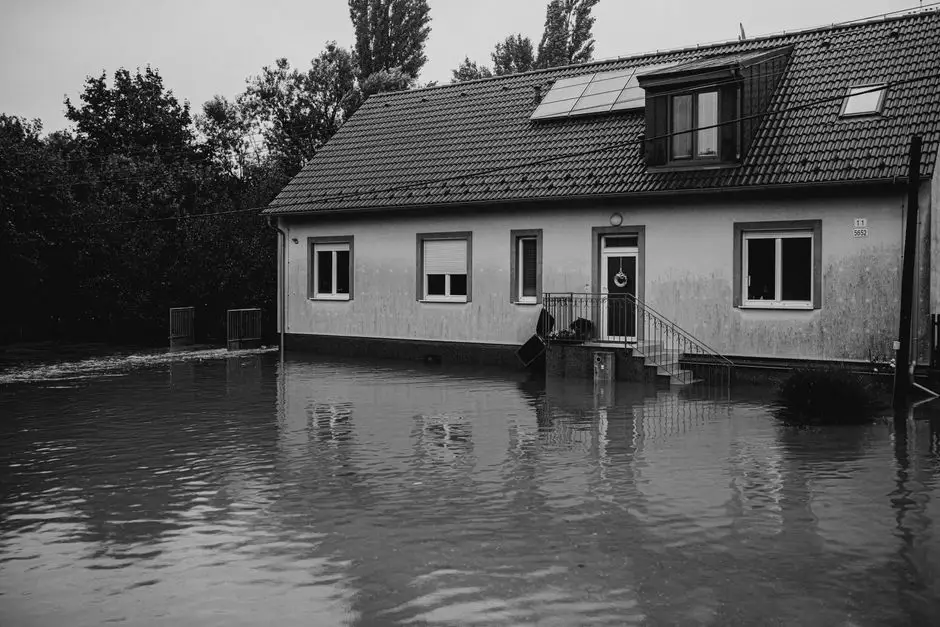
Water damage restoration in Colorado costs $1,300 to $7,500 for most homes in 2026, with the average claim landing near $3,400. Small jobs - a supply line that let go under a bathroom sink - often finish under $1,500, while a finished basement with two feet of standing water can push past $10,000 once drywall, flooring, and cabinetry come out.
What does water damage restoration cost in Colorado is really a question about three things: how much water, what it touched, and how fast someone got there. Below we break down real 2026 pricing across Denver, Colorado Springs, the Front Range, and the Western Slope, plus what your insurance will actually pay and where you can trim the bill without cutting corners.
What water damage restoration costs in Colorado in 2026
Water damage restoration in Colorado is the process of extracting standing water, drying structural materials to a verified moisture baseline, and repairing whatever the water ruined - and it is priced by the job, not by the hour. Here is what our crews see across the state this year:
- Category 1 (clean water) small loss - $1,300 to $2,800. Burst supply line, overflowing toilet tank, or a dishwasher leak caught the same day.
- Category 1 medium loss - $2,800 to $5,500. Two or three rooms affected, carpet and pad removed, baseboards pulled.
- Category 2 (gray water) - $3,500 to $7,500. Washing machine discharge, toilet overflow with waste, or water sitting 24 to 48 hours.
- Category 3 (black water) - $7,000 to $15,000+. Sewage backups, exterior flooding, or any water that has crossed through a contaminated space.
- Finished basement, full loss - $8,000 to $20,000. Drywall cut to 24 inches, LVP or carpet replaced, insulation swapped, contents packed out.
Those numbers include extraction, drying equipment, antimicrobial treatment, and standard rebuild. They do not include mold remediation, which is a separate scope and typically adds $1,500 to $6,000 depending on square footage.
If you are dealing with a flooded lower level right now, our team handles Basement Water Damage Restoration in Colorado with same-day extraction and drying, and we walk you through the cost before we start pulling equipment off the truck.
What factors affect water damage restoration cost in Colorado
Five variables move the price more than anything else, and every one of them is something we can see within the first 20 minutes on site.
Water category and contamination level
Clean water from a broken supply line is the cheapest to handle. Once water has sat more than 48 hours, or has passed through a toilet, washing machine, or exterior soil, it becomes Category 2 or 3 and everything it touched has to be treated or removed. That single shift can double the bill.
Square footage and how many materials are wet
A 200-square-foot bathroom with tile is a different job than 900 square feet of engineered hardwood in an open-plan main floor. Hardwood and laminate usually have to come up. Concrete and tile often just need drying.
How long the water sat
Mold can begin colonizing wet drywall in 24 to 48 hours. Every day you wait adds drying time, adds equipment, and adds demolition. A leak caught in hour two is a $1,400 job. The same leak found on day four is a $6,000 job.
Access and building age
Older homes in Denver's Baker and Highland neighborhoods, or in Boulder's Mapleton Hill, often have plaster walls, galvanized plumbing, and crawl spaces that are tight to work in. Plaster dries slower than drywall and sometimes has to be replaced in sections. Crawl space work adds labor hours because technicians are on their knees the whole time.
Emergency timing
After-hours calls run 15 to 30 percent higher than weekday daytime work. That premium buys you a crew on site at 2 a.m. instead of 9 a.m., which usually saves more in avoided mold than it costs in overtime.
We see this pattern constantly along the Front Range, especially with Water Damage in Aurora where thousands of homes built in the 1970s and 1980s still have original polybutylene and copper lines that fail at the fittings.
Water damage restoration cost per square foot in Colorado
Water damage restoration cost per square foot in Colorado runs $3.75 to $7.50 for drying and standard rebuild, and $8 to $14 per square foot when contaminated water or mold is involved. Those rates are useful for a rough sanity check before anyone walks your property.
Here is how the math shakes out on real jobs:
- 300 sq ft (one bathroom, clean water) - $1,400 to $2,200
- 600 sq ft (kitchen plus hallway) - $2,600 to $4,200
- 1,000 sq ft (finished basement, Category 2) - $5,500 to $9,000
- 1,500 sq ft (main floor, sewage backup) - $11,000 to $18,000
Drying-only jobs - where nothing gets torn out - land closer to $1.75 to $3.25 per square foot. That is the best-case scenario, and it only happens when water is extracted fast and air movers and dehumidifiers get running the same day.
For a burst pipe behind a wall, the per-square-foot number gets messier because you are paying for drywall removal, insulation replacement, and a plumber. Our Pipe Burst Water Damage Repair in Colorado crews handle both sides of that - the plumbing fix and the water damage - so you are not coordinating two contractors.
Does insurance cover water damage restoration in Colorado
Yes, most Colorado homeowner policies cover sudden and accidental water damage - burst pipes, appliance failures, and storm-driven water intrusion. They do not cover gradual leaks, poor maintenance, or exterior flooding, which is why you need a separate flood policy through the NFIP or a private carrier.
What a typical Colorado HO-3 policy pays for:
- Water extraction and structural drying
- Demolition of damaged drywall, flooring, and cabinetry
- Mold remediation when it is a direct result of the covered event
- Contents - furniture, electronics, clothing - up to your personal property limit
- Additional living expenses if the home is uninhabitable
What it usually does not pay for:
- Groundwater or surface flooding entering from outside
- Leaks you knew about and did not fix
- Sewer backup, unless you bought the endorsement (it runs $50 to $150 a year and is worth every penny in older Denver neighborhoods)
- Pool or hot tub damage from freezing
Colorado claims tip: document everything before you move it. Photograph standing water, the source, and every damaged item. Adjusters work from photos, and a claim with 60 clear images moves faster than one with six.
If your loss came from a storm rather than a plumbing failure, our Storm Damage Restoration in Colorado team works directly with adjusters and can document the damage in the format carriers expect.
How can I save money on water damage restoration in Colorado
The single biggest cost saver is speed. Every hour water sits, the price climbs. Beyond that, here is what actually works:
- Shut the water off immediately. The main valve, not just the fixture. A $0 action that routinely saves $2,000 or more.
- Call before you clean. We have seen homeowners throw out $4,000 of salvageable furniture because it looked ruined. Pros can often save what you would toss.
- Skip the after-hours call if it can wait until morning. If water is already extracted and the floor is damp, a 7 a.m. arrival costs 15 to 30 percent less than a 2 a.m. one.
- Handle your own contents. Packing out and storing your belongings yourself can trim $400 to $1,200 off the bill.
- Get the sewer backup endorsement now. Before the next backup, not after.
- Fix the source first. Drying a room while a pipe still drips is money down the drain. Literally.
One more: get two estimates if the job is over $5,000. Not because the first company is wrong, but because you will understand the scope better and can ask sharper questions.
What to watch out for when hiring a restoration company
Storm-chasing crews roll into Colorado after every major hail or flood event, and they are gone before your drywall is back up. Watch for these red flags:
- No physical Colorado address. If the only contact is a 1-800 number and a PO box, keep looking.
- Pressure to sign before you have read the scope. You are allowed to take a day.
- Cash-only or large upfront deposits. Reputable companies bill insurance directly or collect a deductible.
- No moisture meter on the first visit. If they are guessing at what is wet, they are guessing at your bill.
- Promises to "waive your deductible." That is insurance fraud in Colorado, and it will land on your record, not theirs.
Ask three questions: How many drying units will you place, and for how many days? Will you provide daily moisture readings? Who handles the rebuild - you or a subcontractor? A straight answer to all three tells you more than any review score.
When to call a professional
Call a professional the moment water has touched drywall, carpet, or a subfloor - or the moment you cannot find the source. Those two situations almost never resolve on their own, and both get more expensive by the hour.
Specifically, pick up the phone if:
- Water has been sitting more than 12 hours
- The affected area is larger than about 10 square feet
- You smell that musty, wet-cardboard odor that means mold is starting
- The water came from a toilet, sewer line, or outside
- You cannot tell where the leak is coming from
Water Damage Pros Colorado handles extraction, drying, and rebuild across the state, and we give you a written price before we start. If you are in the metro area, we also cover Water Damage in Denver and the surrounding suburbs with same-day response.
Frequently Asked Questions
How much does water damage restoration cost in Colorado?
Most Colorado homeowners pay $1,300 to $7,500, with an average around $3,400. Small clean-water losses finish under $2,000. Sewage backups and finished basements with widespread damage run $8,000 to $20,000. Emergency after-hours calls add 15 to 30 percent.
What factors affect water damage restoration cost in Colorado?
The five biggest are water category (clean, gray, or black), total square footage affected, how long the water sat before extraction, building age and material type, and whether the call is after-hours. Mold remediation, if needed, is a separate scope that adds $1,500 to $6,000.
Does insurance cover water damage restoration in Colorado?
Yes for sudden, accidental events - burst pipes, appliance failures, and storm intrusion. No for gradual leaks, deferred maintenance, or exterior flooding. Sewer backup coverage requires a separate endorsement, usually $50 to $150 per year. Flood insurance is always a separate policy.
How can I save money on water damage restoration in Colorado?
Shut the water off immediately, call before you throw anything away, and avoid after-hours rates if the water is already extracted. Packing out your own contents saves $400 to $1,200. Adding a sewer backup endorsement before the next backup costs less than one hour of cleanup.
Is water damage restoration worth the cost?
Yes. Unaddressed water damage leads to mold within 24 to 48 hours, and mold remediation alone runs $1,500 to $6,000 - often more than the original drying job. Structural rot and compromised framing can push repairs past $20,000. Fast restoration is the cheaper path every time.
Get help with Water Damage in Colorado
If water is on the floor right now, the clock is running and every hour adds to the bill. Call Water Damage Pros Colorado at (855) 343-0501 and we will be on our way with extraction and drying equipment.