
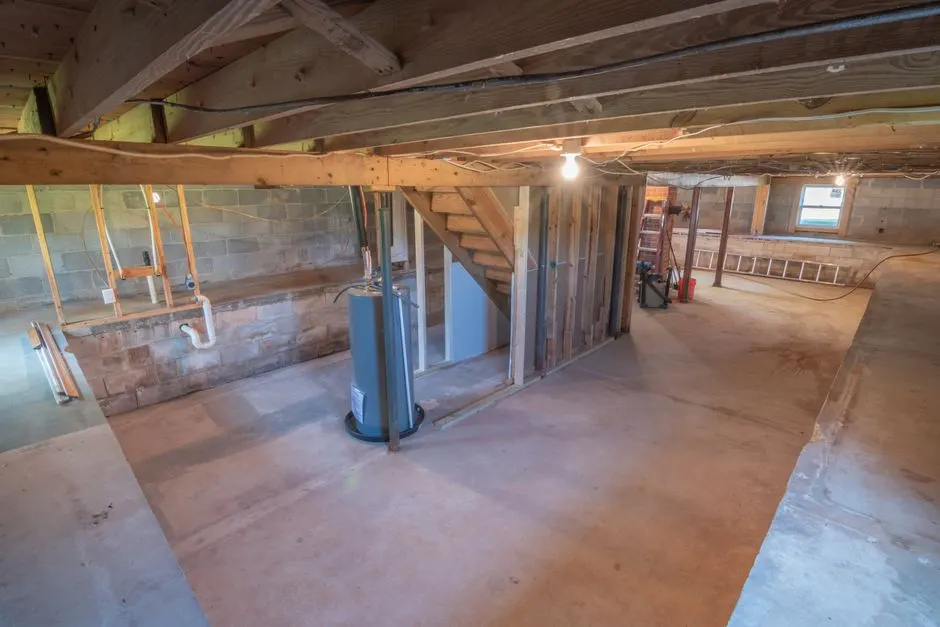
Water damage restoration vs. DIY cleanup is a decision that hinges on three things: what kind of water hit your floor, how big the wet area is, and how fast you can get it dry. If the water came from a clean supply line, covers less than about 10 square feet, and you can start extracting within the first hour, DIY cleanup is a reasonable call. If the water is gray or black, has been sitting more than 24 hours, or has touched drywall, insulation, or a finished ceiling, professional water damage restoration is the safer and usually cheaper path once you factor in mold remediation.
Colorado's dry air fools a lot of homeowners into thinking a wet carpet will just air out. It won't. We've pulled soaked padding out of basements in Denver and Colorado Springs that looked fine on the surface and smelled like a swamp two weeks later. This post walks through the real cost math, the risks, and the exact thresholds where you should stop mopping and make a call.
The short answer: when DIY works and when it doesn't
DIY water damage cleanup works when the water is Category 1 (clean, from a supply line or rain), the affected area is small, and you catch it within the first hour or two. Think a toilet supply line that sprayed for five minutes onto a tile floor, or a window that leaked during a storm onto a sealed hardwood entryway. You can shop-vac it, blot it, run fans, and be done by dinner.
Professional water damage restoration is the right call when any of these are true:
- Water has been standing more than 24 hours
- The source is a toilet overflow with waste, a sewer backup, or any water that smells
- More than one room or more than 100 square feet is wet
- Water has wicked up drywall more than 2 inches
- You see discoloration, bubbling paint, or a musty smell
- The wet area is a basement, crawl space, or any space without good airflow
That last one matters more in Colorado than people expect. Our basements and crawl spaces stay cool and humid even in summer, which is exactly the environment mold needs. Once mold colonizes, typically within 24 to 48 hours, the job shifts from drying to remediation and the price jumps.
What actually separates DIY cleanup from professional restoration
Water damage restoration vs DIY is not really about who owns a wet vac. It's about three capabilities: moisture detection, drying capacity, and documentation.
Moisture detection
A shop vac and a box fan tell you nothing about what's happening inside your walls. Restoration techs use thermal imaging cameras and pin-type moisture meters to map where water actually traveled. Water follows the path of least resistance - it runs down studs, pools on top of ceiling drywall, and soaks into subfloor from below. We routinely find wet spots 6 to 10 feet from where the homeowner saw the puddle.
Drying capacity
Drying a structure is a math problem. You need enough air movement and enough dehumidification to pull moisture out faster than it can wick back in. A typical residential setup for a 200-square-foot wet area is 4 to 6 air movers and 1 to 2 LGR dehumidifiers running 24/7 for 3 to 5 days. That's equipment most homeowners don't own, and renting it for a week often costs $400 to $800 in Colorado.
Documentation
Insurance claims live and die on documentation. Professional restoration produces moisture readings, daily drying logs, photo evidence, and a scope of work your adjuster can process. DIY cleanup produces a receipt from Home Depot. That difference alone can cost you thousands on a claim.
If you're weighing water damage cleanup Colorado options, the honest framing is this: DIY saves labor, professional restoration saves the structure. Pick based on which one you can afford to lose.
How much can you really save with DIY water damage cleanup?
On a small, clean-water spill, DIY water damage cleanup can save you $500 to $1,500 compared to hiring a pro. That's the real number. Anything beyond that and the savings evaporate.
Here's how the cost of DIY water damage cleanup vs professional typically shakes out in Colorado in 2026:
- DIY, small clean spill (under 10 sq ft): $50 to $200 in fans, towels, and a rental extractor
- DIY, medium spill (50 to 100 sq ft): $300 to $800 in equipment rental plus 2 to 3 days of your time
- Professional, small job: $1,200 to $2,500 including extraction, drying, and monitoring
- Professional, medium job (1 to 2 rooms): $2,500 to $6,000
- Professional, large or contaminated job: $6,000 to $15,000+
The gap looks big until you add mold. Mold remediation on a 100-square-foot area runs $1,500 to $4,000 in Colorado, and it's rarely covered if the insurer can show the homeowner delayed mitigation. DIY that turns into a mold claim is the most expensive way to save money.
If you live in an older home - say a 1950s ranch in Water Damage in Arvada or a mid-century build in Lakewood - the calculus tilts even harder toward professional help. Those homes often have original cast iron drains, galvanized supply lines, and slab-on-grade construction that hides moisture under the floor.
The risks of DIY water damage cleanup nobody warns you about
The risks of DIY water damage cleanup are mostly invisible for the first week. That's what makes them dangerous.
- Hidden mold growth. Mold needs 24 to 48 hours of moisture and 60% relative humidity. Colorado homes hit that easily behind baseboards and under cabinets.
- Structural weakening. Subfloor and joists lose strength as they absorb water. A floor that feels fine can sag under a refrigerator within a month.
- Electrical hazards. Water and live wiring don't mix. We've seen homeowners run shop vacs next to outlets that were still energized behind a wet wall.
- Contaminated water exposure. Category 2 and 3 water carries bacteria and viruses. Without proper PPE, you're risking GI illness and skin infections.
- Insurance denial. Most policies require